

Fascism is a political ideology and movement that emerged in Europe in the early 20th century. The term “fascists” refers to those who belong to or support this ideology, which is characterized by authoritarian rule, extreme nationalism, and the suppression of political opposition. Fascism has had a profound impact on world history, particularly through the rise of Benito Mussolini in Italy and Adolf Hitler in Germany, and its legacy can still be seen in certain modern political movements.
Historical Roots
Fascism arose in the aftermath of World War I, a period marked by economic instability, social tensions, and political chaos. Italy became the epicenter of the early fascist movement when Benito Mussolini founded the Fasci Italiani di Combattimento in 1919. Fascism emerged as a reaction to the perceived weakness of liberal democracy and the growing influence of socialism and communism. It aimed to create a strong state in which individual freedoms were subordinated to the interests of the nation or the collective.
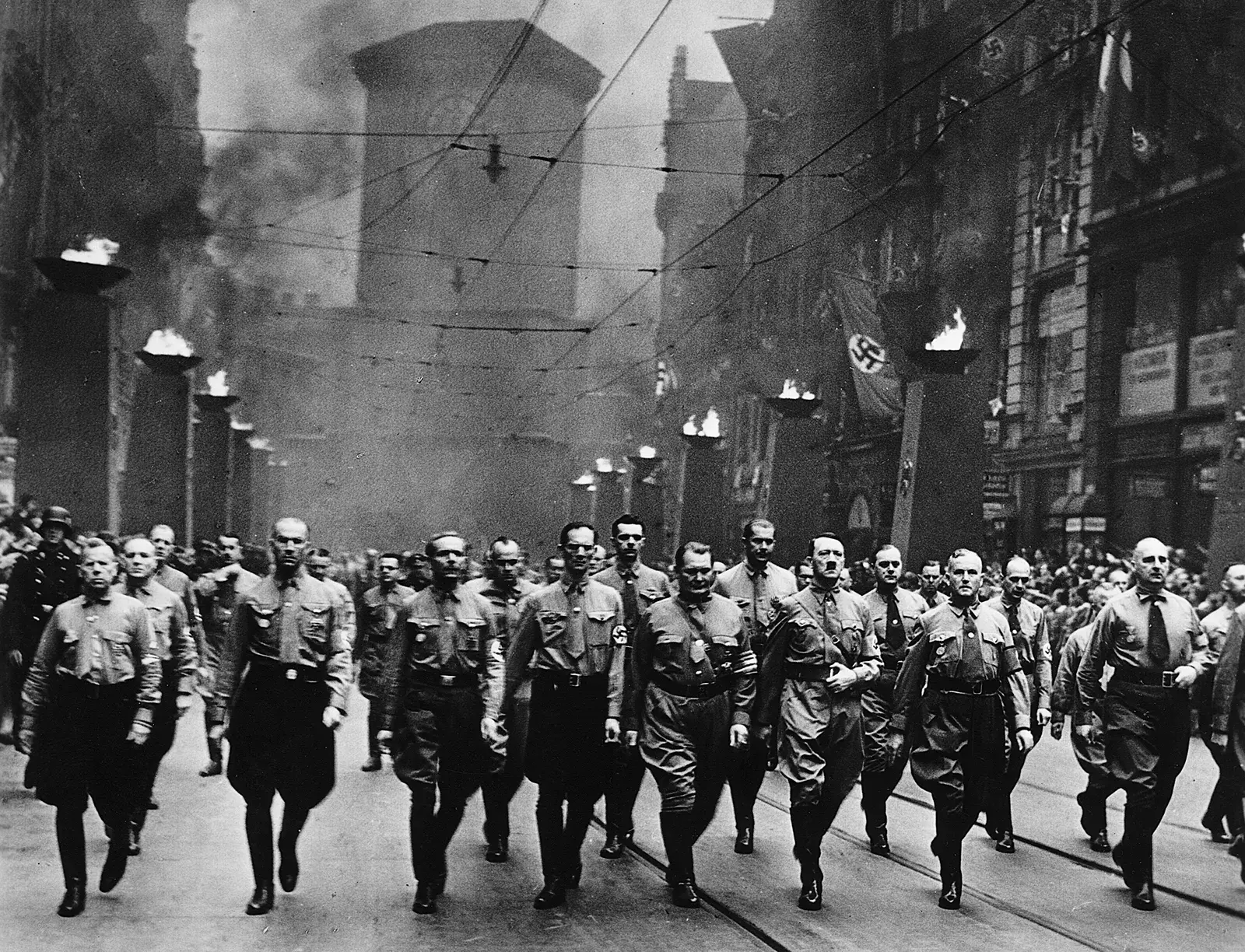
In Germany, fascism found its expression in Nazism under Adolf Hitler. Nazism shared many core traits with Italian fascism but combined them with extreme racism and antisemitism, culminating in the Holocaust. Both fascism and Nazism demonstrated how quickly authoritarian ideologies can consolidate power and suppress opposition, often through violence, propaganda, and militarization.
Characteristics of Fascists
Fascists share a set of key characteristics that make the ideology recognizable across time and place:
-
Authoritarian Leadership: Fascism emphasizes a strong leader or dictator who embodies the will of the nation. Individuals are expected to obey without question or dissent.
-
Extreme Nationalism: The nation is placed above the individual. Fascists promote the idea of a homogeneous national identity, often at the expense of minorities and immigrants.
-
Suppression of Opposition: Freedom of speech and political pluralism are viewed as threats. Fascists use censorship, violence, and propaganda to eliminate dissent.
-
Militarization and Glorification of Violence: Fascism celebrates military strength and discipline, seeing violence as a legitimate tool to achieve political goals.
-
Propaganda and Media Control: Fascists manipulate media and symbolic messaging to mobilize the population and shape public perception.
These traits mean that fascism can manifest differently in different countries, but its core elements remain consistent.
The Ideological Foundation of Fascism
Fascism is built on a combination of extreme nationalism, anti-liberalism, and anti-communism. Fascists often view democracy as weak and inefficient, advocating for the need for a unified, strong state. The ideology also embraces a mythologized past in which the nation or people are portrayed as heroic and infallible. The individual’s role is to serve the state and promote the collective good, often at the expense of personal freedoms.
A central feature of fascist ideology is the creation of enemies. Fascists identify both internal and external “threats,” such as political opponents, ethnic minorities, or international institutions, that supposedly endanger the unity of the nation. This “us versus them” mentality legitimizes authoritarian control and violence.
Fascists During World War II
During World War II, fascists demonstrated the extreme consequences of their ideology. Mussolini’s Italy became an aggressive military power, attempting to expand its empire in Africa and Europe. Hitler and the Nazis in Germany implemented a systematic genocide, killing millions of Jews, Roma people, homosexuals, and political opponents. Fascists’ warfare and ideological goals caused immense human and material loss, leaving a lasting scar on world history.
After the war, many fascist leaders were prosecuted, and the ideology was internationally discredited. Yet fascist ideas survived in hidden or adapted forms in several countries, demonstrating how persistent this ideology can be, particularly in times of economic or political instability.
Fascism in the Modern Era
Although classical fascism rarely holds power today as it did under Mussolini or Hitler, movements exist that share ideological traits with fascists. Modern far-right nationalist movements often promote strong state authority, restrictions on immigration, and patriotic rhetoric, echoing elements of historical fascism. Social media and globalization have also provided new platforms for spreading extreme nationalism and authoritarian ideas.
Understanding the modern relevance of fascists is crucial to recognizing and countering their ideology. Historical experiences show that economic crises, political polarization, and social tensions can create fertile ground for authoritarian movements. Learning from history—through education, critical thinking, and democratic participation—is therefore essential to preventing a repetition of past tragedies.
Consequences and Lessons
Fascism has left deep marks on world history. Millions of people lost their lives under fascist regimes, and cultural and political institutions were destroyed. Studying fascists teaches us how extreme nationalism, militarism, and authoritarianism can seize power, particularly when democratic structures are weak or vulnerable.
At the same time, history highlights the importance of vigilance in modern societies. Fascists thrive where misinformation, fear, and intolerance gain a foothold. Understanding the ideology and manifestations of fascism—both past and present—serves as a safeguard against repeating the mistakes of history.
Conclusion
Fascists represent an ideology that combines extreme nationalism, authoritarian governance, and suppression of opposition. From Mussolini’s Italy to Hitler’s Germany, fascism demonstrated its destructive power and left a lasting imprint on world history. Modern societies still face challenges where fascist tendencies may emerge during times of political and economic turmoil. By studying fascists, we can not only understand the past but also better protect democracy and fundamental freedoms in the present.