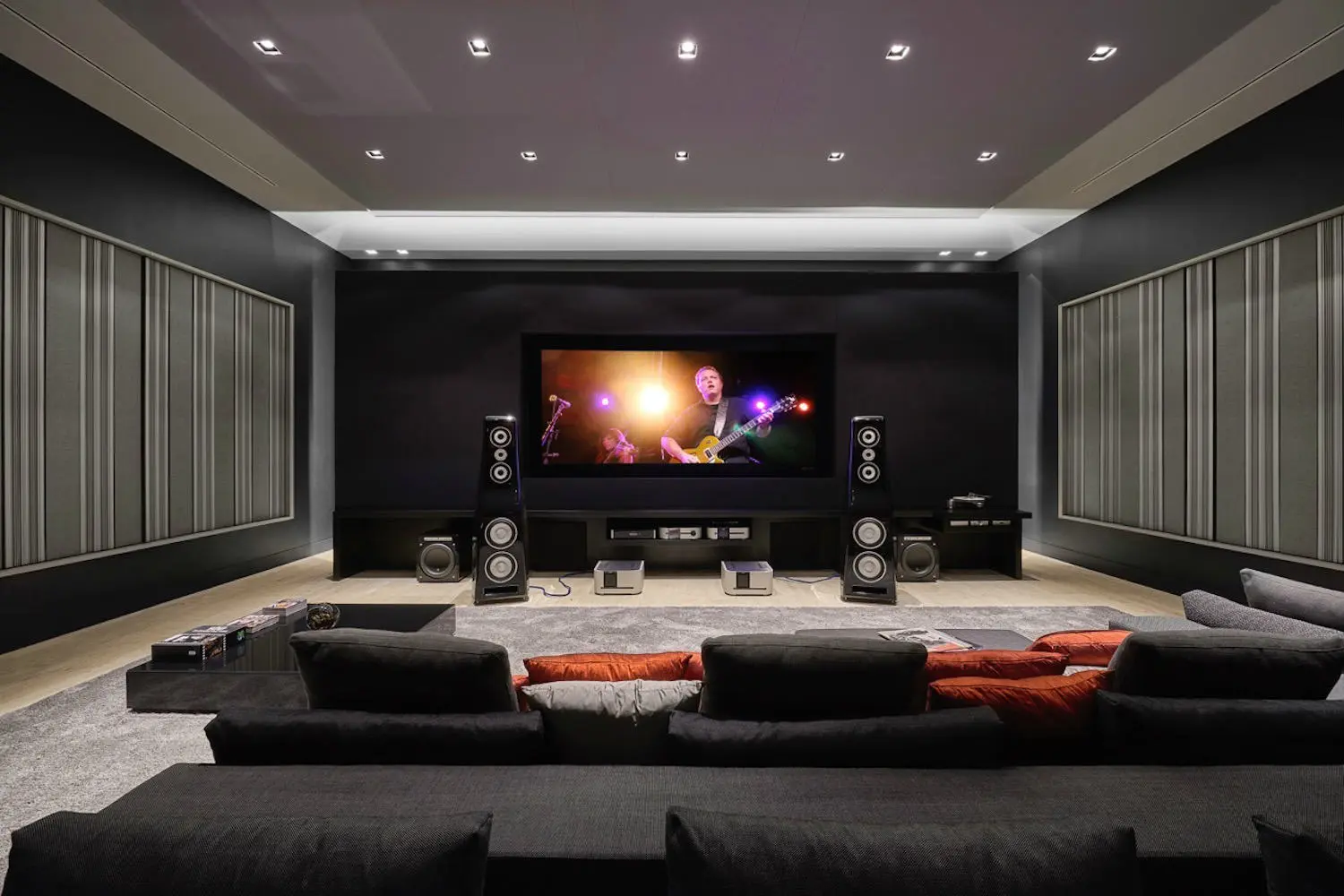

Creating the perfect home theatre setup involves more than choosing a big TV and high-quality speakers. For a truly cinematic and worry-free entertainment experience, protecting your expensive equipment from electrical damage is essential. This is where a home theatre power manager comes in. Though often overlooked, it plays a critical role in maintaining performance, extending equipment lifespan, and ensuring safety.
In this article, we’ll explain what a home theatre power manager is, how it works, why you may need one, the features to look for, and answers to common FAQs.
What Is a Home Theatre Power Manager?
A home theatre power manager (sometimes called a power conditioner) is a device designed to regulate, distribute, and filter electrical power to your home theatre components. Unlike standard power strips built only for plugging in multiple devices, a power manager actively conditions electricity—reducing noise, eliminating voltage spikes, and protecting gear from surges that can damage sensitive electronics.
Why Does Your Home Theatre Need Power Management?
1. Surge Protection
Modern AV equipment is expensive and highly sensitive. A single lightning strike or electrical surge can fry amplifiers, receivers, subwoofers, gaming consoles, and projectors. A power manager acts as a robust defensive barrier against unpredictable voltage spikes.
2. Cleaner Power & Better Audio/Video Quality
A home’s electrical system is full of noise caused by refrigerators, microwaves, Wi-Fi routers, HVAC systems, and other appliances. This electrical noise can leak into audio and video equipment, resulting in:
-
Buzzing or humming sounds from speakers
-
Reduced image clarity on displays
-
Interference or static
Power managers use filtration to provide “clean power,” allowing equipment to operate at peak performance.
3. Organized Cable Management
Home theatres involve multiple components:
-
Receiver / amplifier
-
TV or projector
-
Subwoofer
-
Media players
-
Console / PC
-
Smart box (Apple TV, Roku, Fire Stick)
A power manager centralizes power, reducing clutter and providing labeled outlets for easier organization.
4. Equipment Longevity
Regulated and filtered power puts less stress on sensitive electronics. That means:
-
Lower risk of overheating
-
Less component fatigue
-
Longer product lifespan
For homeowners investing thousands into their home theatre, this protection is invaluable.

Power Manager vs Surge Protector vs UPS: What’s the Difference?
| Device | What It Does | Who It’s For |
|---|---|---|
| Surge Protector | Protects from sudden voltage spikes | Budget setups, basic protection |
| Home Theatre Power Manager / Power Conditioner | Surge protection + filters electrical noise + regulates power | Audiophiles, home theatre enthusiasts |
| UPS (Uninterruptible Power Supply) | Provides backup battery power during outages | Gaming, PCs, projectors that need safe shutdown |
A power manager typically offers the highest benefit-to-cost ratio for home theatres.
Types of Home Theatre Power Managers
Basic Surge-Protected Power Conditioning
-
Affordable
-
Provides filtration and spike protection
-
Ideal for living room theatres
High-End Power Conditioners
-
Multiple isolated power banks
-
Digital monitoring and voltage regulation
-
Preferred by audiophiles and premium setups
Voltage Management Units
-
Actively smooth out unstable or fluctuating power
-
Best for areas with inconsistent electrical grids
Key Features to Look for When Buying
1. Number and Type of Outlets
Make sure you have enough outlets for all components and space for bulky power adapters.
2. Surge Protection Rating (Joules)
Higher joules = more protection. 2000+ joules is recommended for home theatres.
3. Noise Filtration Technology
Look for terms like:
-
EMI/RFI filtration
-
Clean power
-
Isolated banks
These help minimize audio/video interference.
4. Voltage Metering & Status Display
Useful for monitoring power quality, especially in older homes.
5. Build Quality
Metal chassis and premium circuitry ensure durability and stable performance.
6. Warranty & Equipment Protection Policy
Some high-quality brands reimburse you if connected equipment is damaged while protected.
Do Power Managers Improve Sound and Picture Quality?
Yes—especially in homes where electrical interference is common. Clean power improves system efficiency and can result in:
-
Fuller, clearer audio with reduced background noise
-
Sharper and more consistent display performance
-
More stable bass output from powered subwoofers
While improvements may be subtle in basic setups, high-end systems often experience noticeable gains.
Who Needs a Home Theatre Power Manager?
You will benefit most if:
✔ You have invested heavily in speakers, receivers, and subwoofers
✔ You live in an area prone to storms or power fluctuations
✔ You experience audible hum or buzzing from your speakers
✔ You want a cleaner and more organized setup
✔ You want peace of mind and long-term equipment protection
People with high-end or professional audio systems consider power managers essential—not optional.
Where Should You Place It in the Setup?
Your home theatre power manager should be positioned centrally, typically inside the media cabinet or in an AV rack. All components should plug into the power manager instead of directly into wall outlets.
Final Thoughts
A home theatre power manager may not be the flashiest piece of equipment, but it is one of the smartest investments you can make. It protects your electronics, improves performance, reduces clutter, and ensures your theatre runs safely and efficiently for years.
Considering the cost of modern AV gear, a single power surge that ruins a receiver or amplifier can cost far more than the price of a good power manager. For most setups—big or small—adding one simply makes sense.
Frequently Asked Questions (FAQs)
1. Is a home theatre power manager worth it?
Yes. If you own multiple AV components or expensive equipment, a power manager protects against surges, minimizes audio interference, and extends equipment lifespan.
2. What is the difference between a power strip and a power manager?
A basic power strip only increases the number of outlets. A power manager filters electricity, regulates power, and protects devices from surges.
3. Will a power manager improve sound or picture quality?
In many setups—especially high-end ones—it can reduce electrical noise and improve clarity.
4. Can I plug my subwoofer into a power manager?
Absolutely. Subwoofers receive large bursts of power during heavy bass output, so protecting them is recommended.
5. Can I use a UPS instead of a power manager?
A UPS protects from outages, not electrical noise. Many users pair a UPS with a power manager for complete protection.
6. Do I need an expensive model?
Not always. A mid-range unit with strong surge protection and EMI/RFI filtration is ideal for most users. Audiophiles and studios may benefit from premium models.
7. How long do power managers last?
High-quality units typically last 8–15 years, depending on surge frequency and build quality.