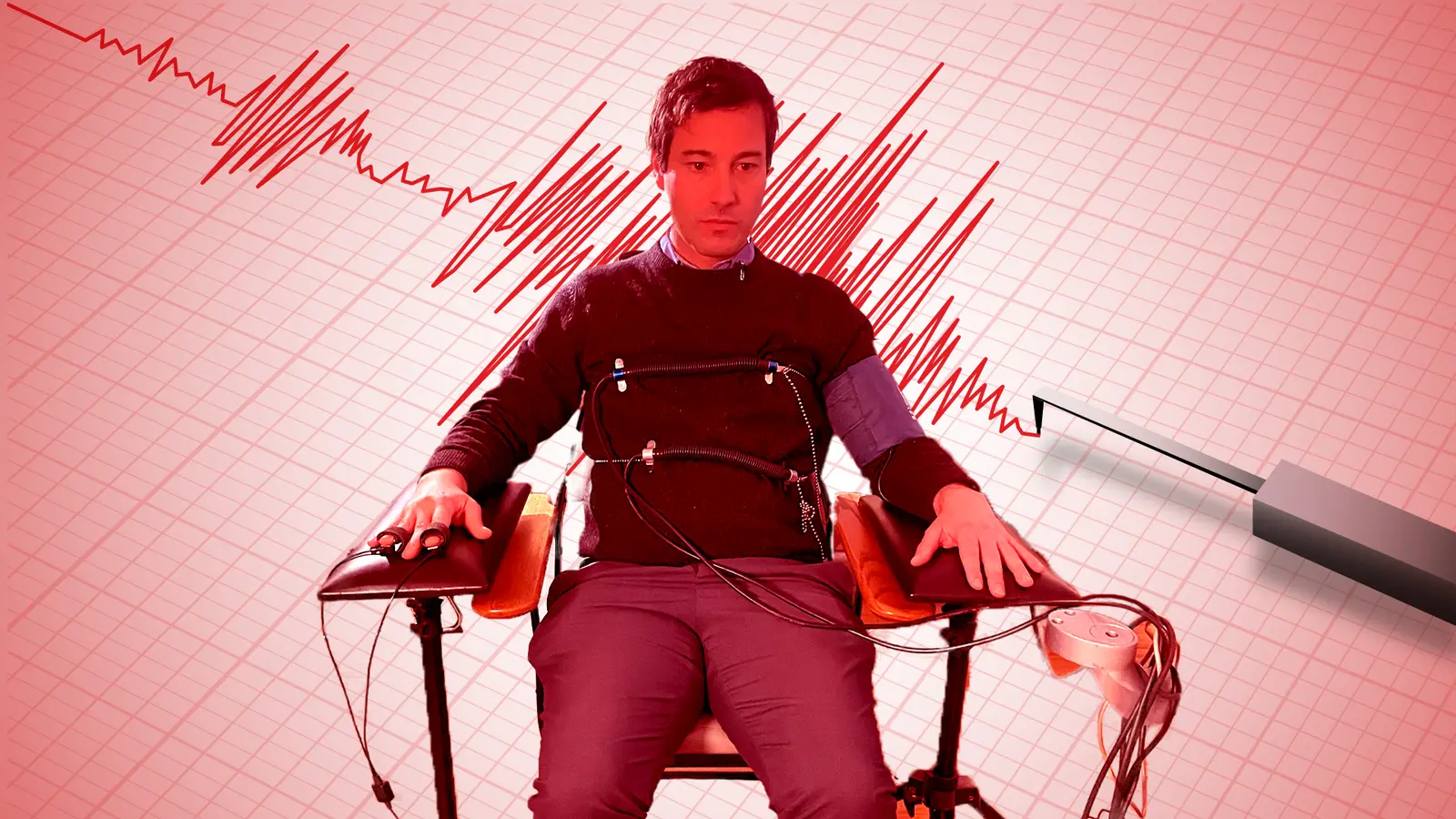

Polygraph exams — popularly known as “lie detector tests” — have long been portrayed as infallible tools for exposing deception. From crime dramas to job-screening scenes in movies, the mere suggestion of being strapped to a polygraph machine evokes the idea that there is no escape from the truth.
But reality is much more complicated.
For decades, scientists, psychologists, attorneys, and law-enforcement professionals have debated whether polygraphs truly detect lies — or simply measure stress. As a result, a large portion of the public wonders whether it’s possible to “beat” a polygraph or trick the system into reading honesty where there is deception.
What a Polygraph Actually Measures
Despite the popular notion that the machine can read the mind or detect lies with a kind of neurological precision, a polygraph doesn’t measure deception directly. Instead, it records changes in:
-
Heart rate
-
Breathing rate
-
Blood pressure
-
Skin electrical conductivity (sweat gland activity)
The theory behind the test is that lying causes an emotional response—typically stress or fear—which in turn triggers measurable physiological changes. The examiner then interprets the patterns in the data, looking for spikes or irregularities when certain questions are asked.
Importantly, the machine doesn’t determine truth or falsehood. A human examiner interprets the data, and human interpretation can be influenced by training, experience, and sometimes bias.
Why Some People Think Polygraphs Can Be Beaten
The belief that polygraphs can be defeated often stems from two facts:
-
Polygraphs are not perfect
-
Physiological responses can come from many sources besides lying
Nervousness, embarrassment, fear of being disbelieved, and even unfamiliarity with the testing environment may cause readings commonly associated with deception. Similarly, some people who lie may remain calm — whether due to personality traits, mental health differences, or extensive preparation for high-stress environments.
These discrepancies are the root of the long-running scientific debate over whether polygraphs should be used in criminal investigations or employment screenings.
In fact, many courts do not allow polygraph results as evidence because:
-
False positives (truthful people flagged as lying) can occur.
-
False negatives (deceptive people appearing truthful) can occur.
-
Results may heavily depend on the examiner’s interpretation.
The Ethics and Risks of Trying to “Beat” a Polygraph
It is essential to understand the legal and ethical context. Attempting to intentionally deceive a polygraph examiner can carry serious consequences.
-
In employment settings, it may lead to disqualification, termination, or loss of security clearance.
-
In legal situations, it can damage credibility or lead to obstruction-related charges.
-
In national-security contexts, it can be treated as a threat to public safety.
Even research scientists who are critical of polygraph reliability emphasize that trying to cheat the system is unethical and risky.
How Anxiety Plays into Results
Many people fear failing not because they lied, but because they are anxious about the process. This raises the question: does anxiety alone cause someone to fail?
Research suggests that polygraph examiners are trained to distinguish between general nervousness and responses to specific questions. However, this distinction is not always perfect. Someone with panic tendencies, PTSD, or generalized anxiety may experience heightened physiological responses that complicate the interpretation.
For this reason, polygraph critics argue that a truthful but anxious person may sometimes appear deceptive, while a calm and dishonest person may not.
The Debate Over Accuracy
Estimates for polygraph accuracy vary widely:
| Source | Estimated Accuracy |
|---|---|
| Strong proponents | 90–95% |
| Independent scientific reviews | 65–85% |
| Critics | As low as 50% (no better than chance) |
The variation depends heavily on:
-
Type of questions asked
-
Training and bias of the examiner
-
Emotional state and personality of the person tested
-
Testing conditions and purpose
Because of these uncertainties, multiple government agencies, courts, and advocacy organizations call for limited or regulated use of polygraphs.
If You’re Scheduled for a Polygraph: What You Can Safely Do
While giving instructions on how to cheat a polygraph would be unsafe and unethical, there are appropriate ways to prepare for one if you are taking it for legitimate reasons such as job screening or a legal situation:
-
Be honest and consistent
-
Ask questions beforehand if you’re unclear about the process
-
Tell the examiner if you have anxiety, medical issues, or mental-health concerns
-
Get a good night’s rest beforehand
-
Avoid alcohol, recreational drugs, and unprescribed medication before the exam
-
Don’t rehearse elaborate stories — inconsistencies can be more revealing than physical signs
Nothing reduces risk of misinterpretation more effectively than straightforward honesty.
Frequently Asked Questions (FAQs)
1. Are polygraphs admissible in court?
In many places, polygraph results are not allowed in court because their reliability is contested. In some jurisdictions they can be admitted only if both parties agree ahead of time.
2. Can my employer make me take a polygraph?
Private employers in many countries cannot legally require most workers to take polygraphs, but there are exceptions — especially in government, law enforcement, national security, and certain financial-security roles.
3. Do innocent people ever fail polygraphs?
Yes. Anxiety, trauma, misunderstanding questions, or even unfamiliarity with the procedure can trigger responses that examiners may interpret as deception.
4. Do guilty people ever pass polygraphs?
Yes. Calm individuals, practiced liars, or people with certain psychological traits may show little stress when lying.
5. Is there a guaranteed way to beat a polygraph?
No. There is no universally reliable, safe, or legal way to deliberately defeat a polygraph. Trying to do so can carry serious ethical and legal consequences.
6. What’s the safest thing to do during a polygraph test?
The safest and most ethical approach is to answer questions truthfully and communicate openly with the examiner about any medical or psychological factors that might affect your results.
Final Thoughts
Polygraph examinations are not magic lie-detecting machines, nor are they easily tricked gadgets. They operate in a controversial space between psychology and physiology, and they continue to be used because — despite scientific criticism — many organizations believe they add value to investigative and screening processes.