
Coining therapy—also known as Gua Sha, Cao Gio, Kerokan, or scraping therapy—is a traditional healing practice used for centuries throughout East and Southeast Asia. Though once confined to cultural communities, it has now gained global attention thanks to its presence in wellness clinics, massage therapy centers, and even athletic recovery programs featuring professional athletes.
At its core, coining therapy involves scraping the skin with a smooth-edged tool to stimulate circulation, release tension, and promote the body’s natural healing mechanisms. While the practice is sometimes misunderstood due to the temporary marks it leaves behind, it continues to be valued for its ability to relieve pain, stress, and inflammation in a non-invasive, drug-free way.
Origins and Cultural Roots
Coining therapy has ancient origins rooted in Chinese traditional medicine. Historically, it was performed in the home by family members as a response to illness or fatigue. The belief was that scraping the skin helped “release wind” or “stagnation” from the body—terms that reflect the cultural understanding of pathogens and energy imbalance.
Today, the practice remains deeply embedded in Vietnamese, Indonesian, Thai, Cambodian, and Chinese households. It is often used when someone is believed to be suffering from a cold, flu, exhaustion, fever, heatstroke, or chronic pain.
Across cultures, the purpose has always been the same: to help the body return to balance and restore health through external stimulation.
How Coining Therapy Works
Coining therapy is performed by gently scraping lubricated skin with a tool made of:
-
Jade or quartz stone
-
Horn
-
Wood
-
Ceramic
-
Stainless steel
-
Coin (traditionally)
Practitioners target specific areas, most often:
-
Back
-
Neck and shoulders
-
Arms
-
Upper chest
-
Legs
The process increases microcirculation under the skin, which triggers:
-
Expansion of blood vessels
-
Increased blood flow to muscles and tissues
-
Activation of the immune response
-
Release of muscle tension and fascia tightness
The reddish or purplish marks that appear—called sha—are not bruises from tissue damage but blood brought to the surface due to capillary dilation. These marks generally fade within 3–7 days.
Modern Scientific Perspective
Western medical research has increasingly studied coining therapy and Gua Sha. While not a replacement for conventional treatment when needed, evidence supports several health benefits, particularly for:
-
Chronic neck and back pain
-
Migraine and tension headaches
-
Muscle soreness
-
Inflammation
-
Stress and anxiety
One notable modern application is in sports medicine and physical therapy. Athletes use scraping to reduce muscle stiffness and speed up recovery after intense training.
Coining therapy is believed to activate healing biochemical responses, including:
-
Decreased inflammatory cytokines
-
Increased nitric oxide production
-
Improvement in microcirculation
-
Myofascial release (soft tissue loosening)
These physiological effects may explain why clients frequently report relief shortly after treatment.
What to Expect During a Session
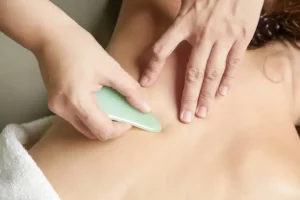
A session typically lasts 15 to 45 minutes, depending on the body area and purpose. Here is what a client may experience:
-
A lubricant such as herbal balm or massage oil is applied to prevent friction.
-
The practitioner scrapes the skin with controlled pressure in downward strokes.
-
A warm sensation develops as circulation increases.
-
The skin turns red or purple in some areas where stagnation is most present.
Most people find the process relaxing rather than painful. Afterward, there is a sense of lightness, warmth, and relief, especially in sore areas.
Common Benefits Reported by Users
People seek coining therapy for both physical and emotional benefits. Among the most common:
-
Relief from back and shoulder pain
-
Reduction in muscle knots and stiffness
-
Improvement in headaches and migraines
-
Faster recovery from exercise
-
Boost in mood and reduction in stress
-
Improved sleep
-
Relief from symptoms of cold and flu (in cultural contexts)
Although more research continues to evolve, thousands of years of tradition and modern clinical uses point toward its role as a valuable complementary therapy.
Risks and Considerations
While generally safe when performed by a trained professional, coining therapy may not be suitable for everyone. It should be avoided on:
-
Broken or irritated skin
-
Sunburns
-
Varicose veins
-
Open wounds or infections
-
Individuals with bleeding disorders or taking anticoagulants (unless cleared by a physician)
After treatment, clients should avoid:
-
Cold wind exposure
-
Intense exercise
-
Alcohol consumption
-
Very hot showers for several hours
Mild soreness can occur temporarily, but adverse effects are rare when therapy is performed correctly.
Coining Therapy in a Modern Wellness World
As interest in holistic and natural health grows, coining therapy is becoming part of an integrated wellness approach. It is now available in:
-
Acupuncture clinics
-
Massage therapy centers
-
Chiropractic offices
-
Sports therapy facilities
-
Spa and wellness studios
Some practitioners combine coining therapy with cupping, acupuncture, aromatherapy, or traditional herbal medicine.
People increasingly value healing methods that reconnect them to the body, emphasize prevention, and support both physical and emotional well-being. Coining therapy fits this movement perfectly—rooted in tradition but adaptable to modern lifestyles.
Frequently Asked Questions (FAQs)
1. Does coining therapy hurt?
Most people describe the sensation as warm pressure rather than pain. Some tenderness can occur afterward, especially in areas with tension.
2. Are the red marks a sign of injury?
No. The marks—called sha—are caused by increased circulation under the skin and usually fade within a few days. They are not bruises from trauma.
3. How long does the relief last?
Some experience immediate relief lasting days; others benefit from regular sessions weekly or monthly, depending on their condition.
4. Is coining therapy safe for children?
It is used in many cultures for children with colds or fatigue. However, it should only be done by someone trained in safe, gentle techniques.
5. Can I do coining therapy at home?
While home coining is common traditionally, a trained professional ensures correct technique and safety. Beginners should seek instruction before self-treatment.
6. How is coining therapy different from massage?
Massage uses kneading and pressure on muscles, while coining focuses on scraping to stimulate circulation and release fascia.
7. Who should avoid coining therapy?
People with bleeding disorders, severe heart disease, skin infections, or those on blood-thinning medications should consult a physician first.
Final Thoughts
Coining therapy continues to bridge ancient healing wisdom with modern therapeutic practice. Its ability to provide natural pain relief, improve circulation, reduce stress, and support recovery has made it valuable for both traditional and contemporary health seekers. Like any therapy, it works best when practiced responsibly and paired with a healthy lifestyle. For many, coining therapy offers not only physical benefits but also a sense of cultural connection, emotional release, and balance—reminding us that the body has remarkable power to heal when given the right support.