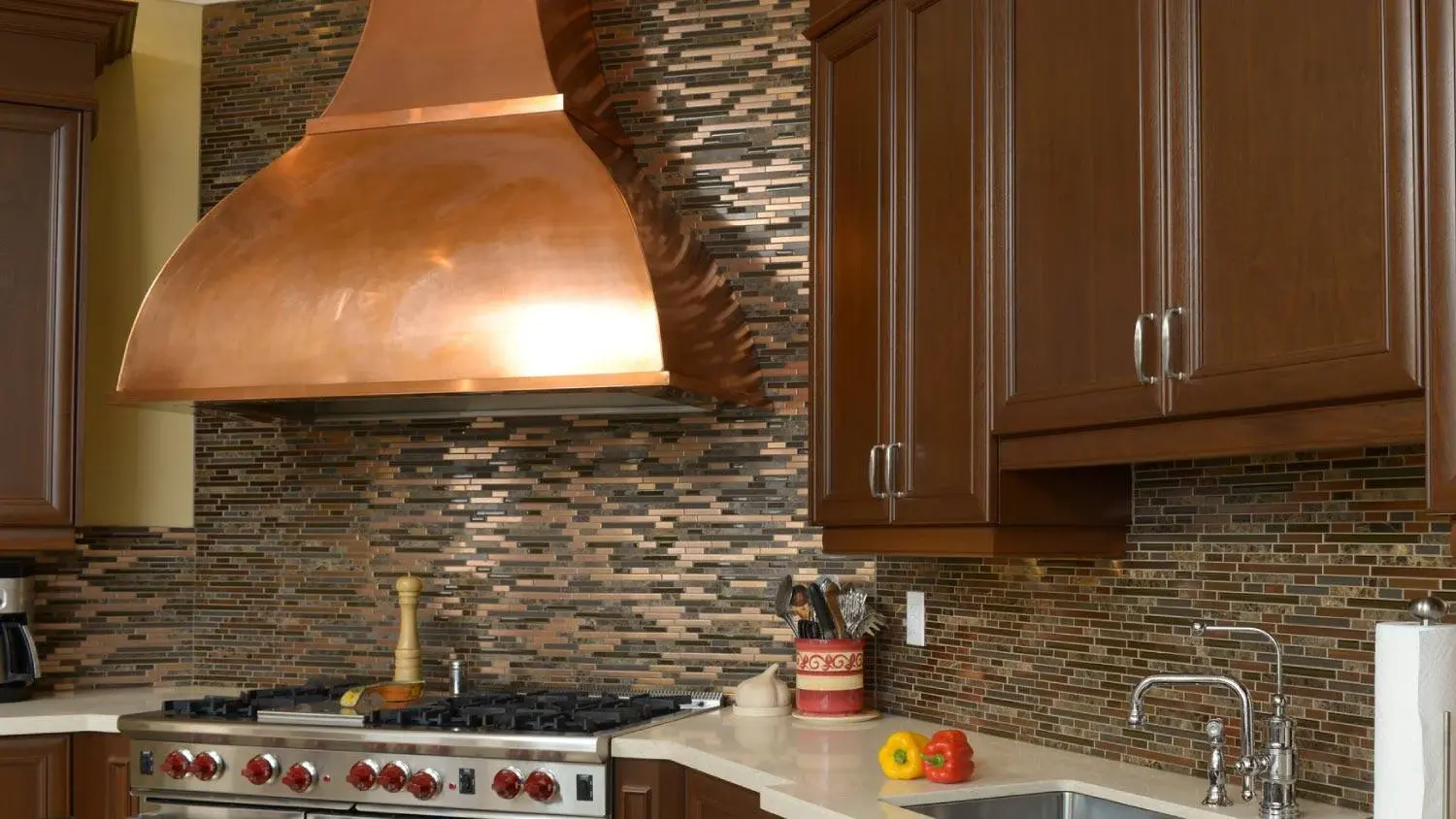

In today’s modern kitchen design, functionality and aesthetics go hand in hand. One of the most impactful ways to elevate both is by installing a copper vent hood. This statement piece not only enhances your kitchen’s visual appeal but also ensures efficient ventilation for a healthier cooking environment. In this article, we’ll explore what copper vent hoods are, their benefits, design considerations, maintenance tips, and answer frequently asked questions.
What is a Copper Vent Hood?
A copper vent hood, also known as a range hood or exhaust hood, is a kitchen appliance installed above a stove or cooktop. Its primary function is to remove smoke, grease, odors, and heat from the air while cooking. Unlike standard stainless steel or painted metal vent hoods, copper vent hoods bring a warm, luxurious aesthetic that complements both traditional and contemporary kitchens.
Copper has been used in kitchens for centuries due to its durability, antimicrobial properties, and timeless appeal. When polished, it shines with a bright, metallic glow; when left to age naturally, it develops a beautiful patina that adds character and charm.
Benefits of a Copper Vent Hood
1. Aesthetic Appeal
Copper vent hoods are often considered a work of art in kitchen design. Their rich color and warm tones create a welcoming and elegant atmosphere. Whether you prefer a sleek, modern design or a rustic, farmhouse style, copper vent hoods can be customized to fit your kitchen’s aesthetic.
2. Durability
Copper is a strong and long-lasting metal that resists corrosion, which makes it an ideal choice for a kitchen environment where exposure to heat, moisture, and cooking fumes is constant. Unlike painted or coated hoods, copper doesn’t chip, crack, or fade easily.
3. Antimicrobial Properties
Copper naturally inhibits the growth of bacteria, mold, and fungi. This property adds an extra layer of hygiene to your kitchen, which is especially important in spaces where food is prepared.
4. Customization
Copper vent hoods can be custom-made in a variety of styles, from sleek, minimalist designs to ornate, hand-hammered pieces. This flexibility allows homeowners to match the hood to cabinetry, countertops, or overall kitchen décor. Some copper hoods also feature decorative elements, such as embossing, rivets, or unique finishes, adding a personalized touch.
5. Heat Conduction
Copper is an excellent conductor of heat, which allows the hood to dissipate heat efficiently, preventing warping or damage over time. This ensures long-term performance even in high-use kitchens.
Types of Copper Vent Hoods
Copper vent hoods come in several styles to suit different kitchen layouts and preferences:
-
Wall-Mounted Hoods
These are installed against the wall above the stove and are ideal for kitchens with a dedicated cooking area. They are often the most visually striking type of copper hood. -
Island Hoods
Designed for cooktops on kitchen islands, island hoods are suspended from the ceiling and can become a focal point in open-concept kitchens. -
Under-Cabinet Hoods
These compact hoods fit underneath cabinets and are perfect for smaller kitchens or when a subtle design is desired. -
Custom or Handmade Hoods
Artisans can craft copper vent hoods to exact specifications, allowing for intricate detailing, unusual shapes, or unique finishes that reflect personal style.

Installation Considerations
Installing a copper vent hood requires careful planning to maximize both functionality and visual impact. Here are some factors to consider:
-
Ventilation Type: Decide between ducted (venting air outside) and ductless (using filters to recirculate air). Ducted systems are more effective at removing smoke and odors, but ductless systems may be necessary in spaces where exterior venting is not feasible.
-
Size: Your vent hood should be slightly wider than your cooktop to capture all smoke and steam effectively. Standard recommendations suggest 3 inches wider on each side.
-
Height: The ideal height above the cooking surface is typically 24–30 inches. This ensures optimal extraction without interfering with headroom.
-
Professional Installation: Because copper vent hoods are often custom-built and heavier than standard models, hiring a professional installer is recommended to ensure safety and proper ventilation.
Maintenance Tips
Proper maintenance will preserve the beauty and functionality of your copper vent hood:
-
Regular Cleaning
Wipe the surface with a soft cloth and a mild soap solution. Avoid abrasive cleaners that can scratch or damage the copper. -
Polishing
Polishing your copper hood periodically maintains its shine. For a natural patina, skip polishing and let the copper age gracefully. -
Filter Care
Clean or replace filters as recommended by the manufacturer. Grease buildup not only reduces efficiency but can also affect the appearance of your hood. -
Avoid Moisture Accumulation
While copper is corrosion-resistant, excessive moisture can affect its finish. Ensure proper ventilation and dry surfaces when necessary.
Pros and Cons of Copper Vent Hoods
Pros
-
Luxurious and timeless aesthetic
-
Durable and corrosion-resistant
-
Antimicrobial properties
-
Customizable designs
-
Efficient heat conduction
Cons
-
Higher initial cost compared to stainless steel or painted hoods
-
Requires regular cleaning to maintain shine (unless a natural patina is desired)
-
Professional installation may be necessary due to weight and customization
Frequently Asked Questions (FAQs)
1. Do copper vent hoods require special maintenance?
Yes, while copper is durable, it benefits from regular cleaning with mild soap and water. Polishing is optional, depending on whether you want to preserve its shine or allow a natural patina to develop.
2. Will a copper hood tarnish over time?
Yes, copper naturally tarnishes and develops a greenish patina over time due to oxidation. This is considered attractive by many homeowners and adds character, but polishing can restore the original shine.
3. Are copper vent hoods more expensive than other materials?
Typically, yes. Copper is a premium material, and custom fabrication can further increase the cost. However, its longevity and aesthetic appeal often justify the investment.
4. Can a copper hood be used with all types of stoves?
Yes, copper vent hoods can accommodate gas, electric, or induction cooktops. Ensure the hood is sized appropriately for the cooking surface to maximize efficiency.
5. Is professional installation necessary?
While DIY installation is possible for some models, professional installation is recommended for custom or heavy copper hoods to ensure proper support and ventilation.
6. Can I paint a copper vent hood?
It is possible, but not common. Painting covers the natural beauty and patina of copper. Most homeowners prefer to let the metal’s color and finish be the focal point.
7. How long does a copper vent hood last?
With proper care, copper vent hoods can last decades, making them a long-term investment in both style and functionality.
Conclusion
A copper vent hood is more than just a functional kitchen appliance—it’s a design statement that combines elegance, durability, and practicality. Whether you choose a polished finish to create a bright, modern focal point or let it develop a rich patina for a rustic look, a copper hood adds timeless value to any kitchen. By understanding the benefits, installation considerations, and maintenance requirements, homeowners can enjoy both the beauty and performance of this exceptional kitchen feature for years to come.