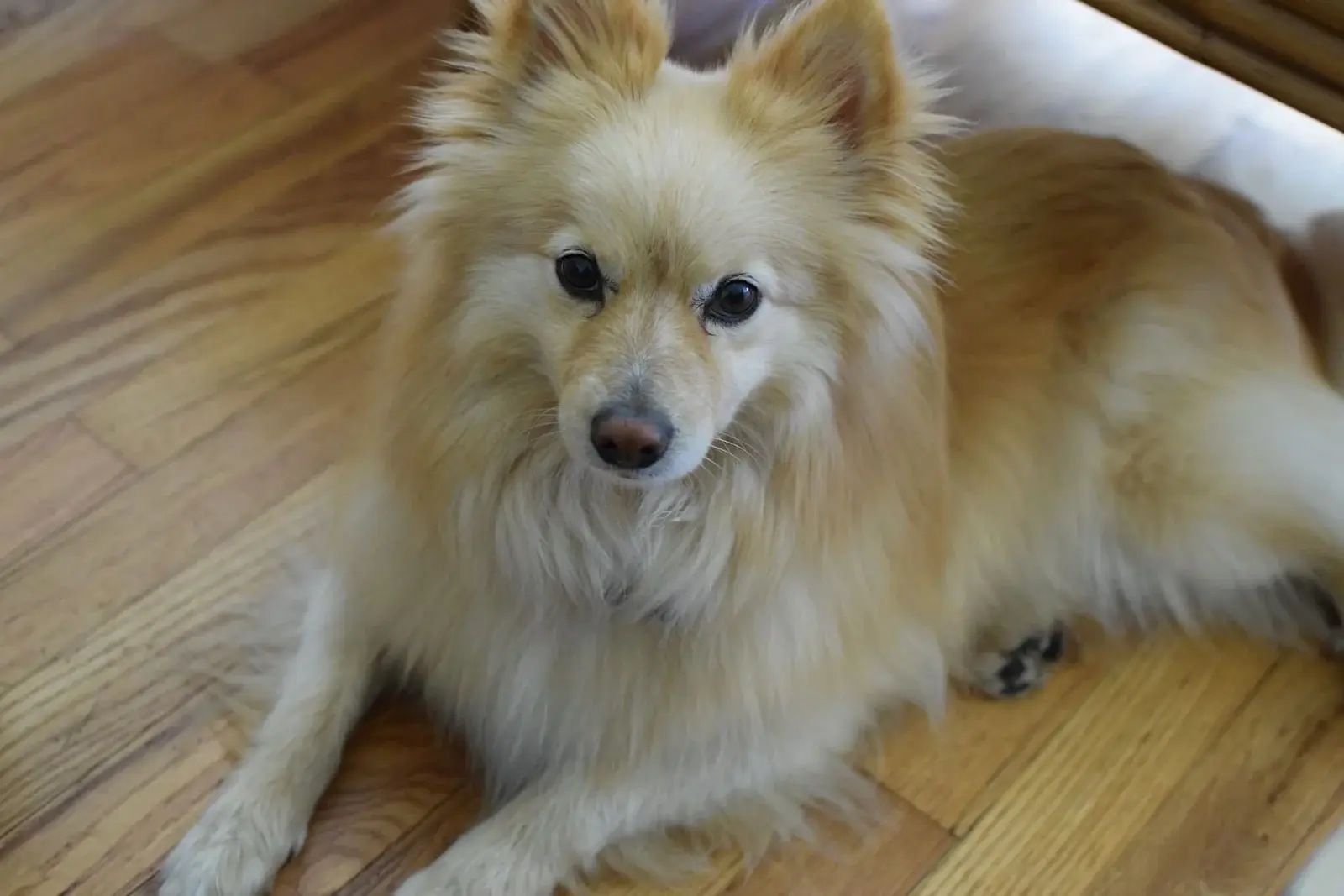

The world of designer dogs is full of remarkable combinations, but few are as eye-catching—and conversation-starting—as the Pomeranian–Pitbull mix. Sometimes playfully nicknamed the “Pitmoranian” or “Pitty Pom,” this hybrid blends the toughness and athleticism of the Pitbull with the bold personality and fluffy charm of the Pomeranian. Although uncommon, these dogs can make wonderfully affectionate, spirited, and loyal companions for the right household.
Below, we explore the origins, appearance, temperament, training needs, health considerations, and overall suitability of this unusual crossbreed.
Origins of the Pomeranian–Pitbull Mix
The pairing of a Pomeranian and a Pitbull doesn’t occur naturally in most circumstances due to the size difference, and ethical breeders always use the larger dog—usually a female Pitbull—to carry the litter. This mix was likely created to combine the playful confidence of the Pomeranian with the strength and loving nature of the Pitbull.
Because the combination is relatively new and not recognized by major breed organizations, there is no standardized history. Instead, its development is driven by a growing interest in unique, personality-rich companion dogs.
Appearance: A Blend of Power and Puff
One of the most unpredictable aspects of the Pomeranian–Pitbull mix is its physical appearance. Hybrid dogs often inherit traits from either parent in varying degrees, making each puppy truly one of a kind.
Size
Most Pit Pom mixes fall somewhere between 15 and 45 pounds, depending on which parent they take after. Height can range from 12 to 18 inches at the shoulder. While not toy-sized like a purebred Pomeranian, they tend to be smaller than most Pitbulls.
Coat
This mix’s coat can vary widely:
-
Short and smooth like a Pitbull
-
Longer and fluffier like a Pomeranian
-
Medium and slightly dense, the most common result
Color possibilities include black, brown, tan, cream, brindle, red, and mixes of these shades.
Facial Features
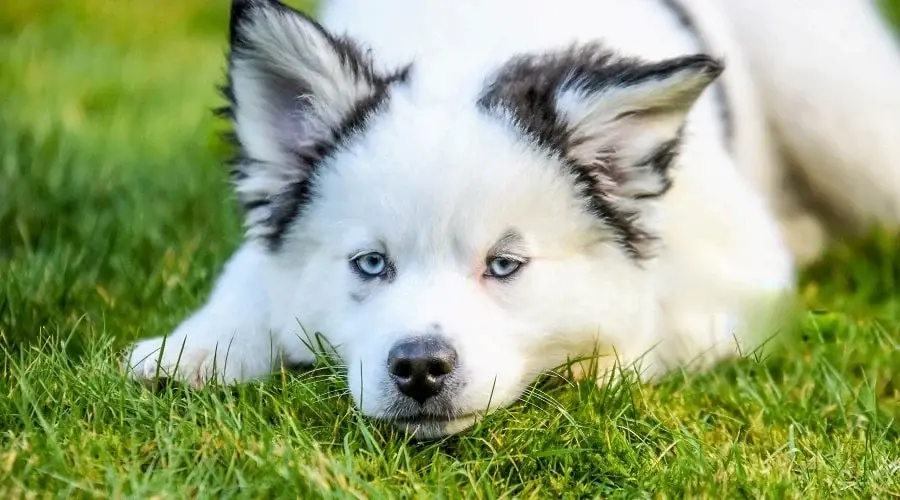
Some mixes resemble a stocky, compact Pomeranian with a broader head, while others look like a lighter, fluffier Pitbull. Ears may stand erect, flop halfway, or stay fully folded.
Temperament: Confident, Playful, and Loving
Despite their unusual pairing, Pomeranian–Pitbull mixes generally share a few emotional and behavioral traits from both sides.
Affectionate and Loyal
Both parent breeds are known for bonding deeply with their families. Expect a dog that thrives on companionship and may follow you from room to room.
High Energy
Pomeranians are lively, while Pitbulls are strong and athletic. Together, they typically create a dog with moderate to high energy who enjoys daily exercise and mentally stimulating activities.
Bold Personality
Pomeranians often have “big dog” attitudes in small bodies, and Pitbulls are confident by nature. This mix may act fearless, curious, and always ready for adventure.
Good With Families
When properly socialized, Pit Poms can be excellent with children and coexist well with other pets. However, their enthusiasm may require supervision around toddlers.
Training and Socialization
Training a Pomeranian–Pitbull mix can be highly rewarding, but consistency is key.
Trainability
These dogs tend to be:
-
Intelligent
-
Eager to please
-
Highly responsive to positive reinforcement
Harsh or punitive training methods should be avoided, especially since both parent breeds do best with kind, reward-based approaches.
Socialization Needs
Socialize early with:
-
Other dogs
-
Strangers
-
Different environments
-
Sounds and surfaces
This helps prevent anxiety, reactivity, or over-protectiveness.
Exercise Requirements
Aim for 45–90 minutes of activity daily, depending on size and energy level. Good outlets include:
-
Walks
-
Fetch
-
Agility
-
Tug games
-
Puzzle toys
Health Considerations
As with any mixed breed, the Pomeranian–Pitbull mix may inherit health conditions from either side. While many hybrids benefit from broader genetic diversity, it’s still important to be aware of potential risks.
Common health considerations include:
Joint Issues
Hip dysplasia and luxating patellas can occur due to the structural traits of both parent breeds.
Dental Problems
Pomeranians are prone to dental issues, so regular brushing is essential.
Allergies and Skin Conditions
Pitbulls commonly experience skin sensitivities that this mix may inherit.
Heart Conditions
Some Pomeranians can develop heart murmurs or valve issues.
Most mixes live 12 to 15 years with proper care, nutrition, and regular vet checkups.
Grooming Requirements
The grooming needs of a Pit Pom mix depend largely on which coat type they inherit.
Short Coat
-
Brush 1–2 times per week
-
Occasional baths
-
Nail trimming every 2–4 weeks
Medium or Long Coat
-
Brush 3–5 times per week to prevent tangles
-
Regular trimming
-
More frequent baths
All versions require:
-
Dental care
-
Ear cleaning
-
Tick and flea prevention
Living Conditions and Ideal Owners
A Pomeranian–Pitbull mix can adapt to many lifestyles, but it does best in homes where:
There’s Time for Exercise
Without adequate physical activity, this mix may become anxious or destructive.
There’s Plenty of Human Interaction
They don’t enjoy long hours alone.
Training and Mental Stimulation Are Provided
This dog thrives when learning new things and being part of the family routine.
Space for Play Is Available
While they can live in apartments if exercised well, access to a yard is a plus.
Is the Pomeranian–Pitbull Mix Right for You?
This unusual hybrid is charming, affectionate, and full of life. Still, it isn’t the right choice for everyone. The ideal owner will appreciate a dog that’s:
-
Energetic
-
Social
-
Intelligent
-
Strong-willed
-
Loyal and affectionate
If you’re prepared to give consistent training, daily exercise, and lots of attention, the Pit Pom could be an excellent companion.
Frequently Asked Questions (FAQs)
1. How big does a Pomeranian–Pitbull mix get?
Most weigh between 15 and 45 pounds and stand 12 to 18 inches tall. Size varies widely depending on which parent they resemble.
2. Are Pit Pom mixes aggressive?
No. When properly trained and socialized, they are loving, friendly, and people-oriented. Aggression is more about environment and training than breed.
3. Are they good with kids?
Yes, with supervision. Their playful energy can be great for families, but younger children should be monitored around any dog.
4. Do they shed a lot?
It depends on the coat type. Fluffy versions shed moderately to heavily, while short-haired versions shed lightly to moderately.
5. Are they hard to train?
Not usually. They are intelligent and eager to please, responding well to positive reinforcement.
6. How much exercise do they need?
Expect to provide 45 to 90 minutes of daily activity, depending on energy level.
7. Are they healthy dogs?
Most are healthy but can inherit issues like joint problems, allergies, and dental concerns. Regular vet care helps maintain their health.