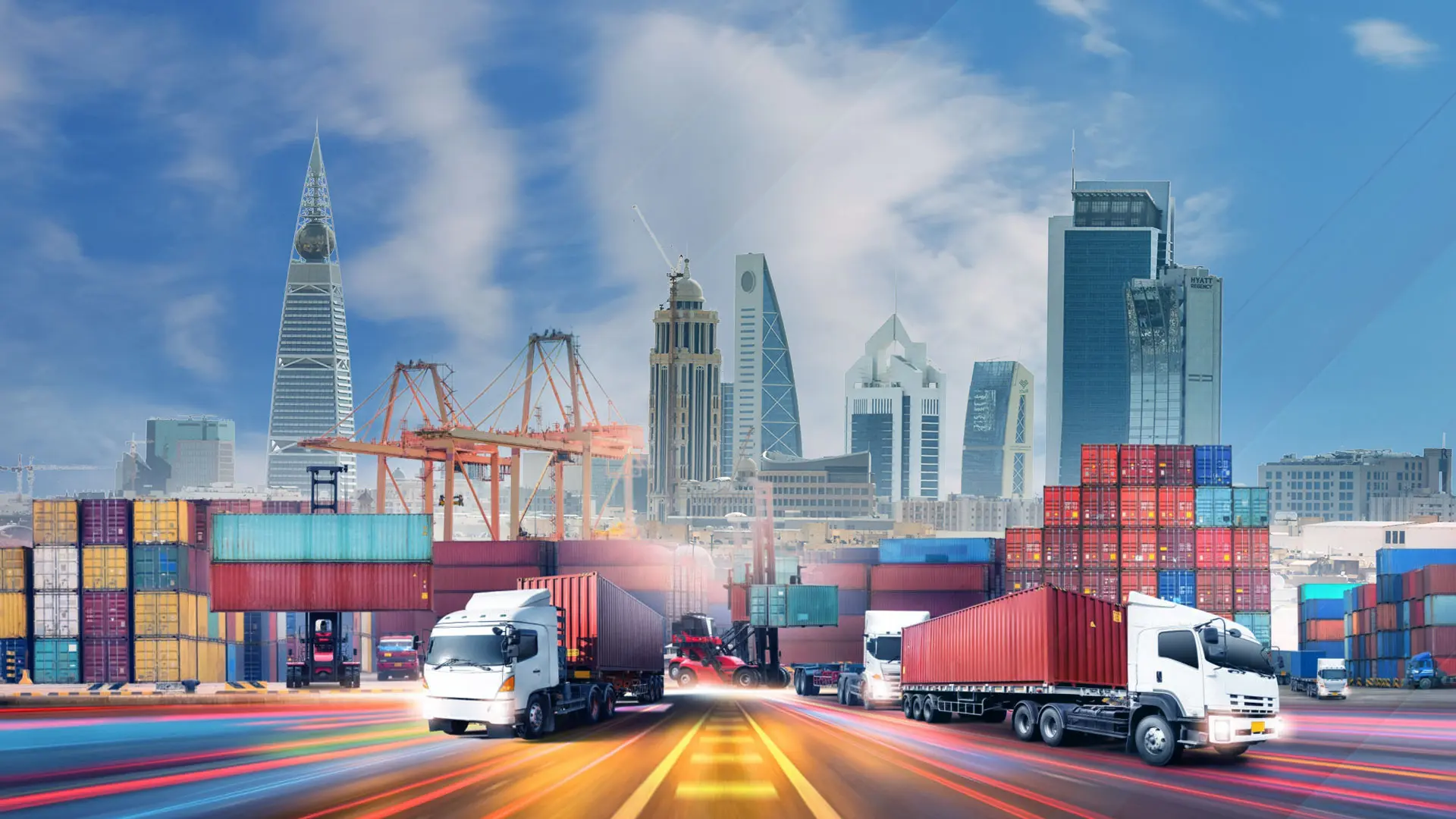

The trucking industry is the backbone of the American supply chain. Every year, millions of trucks cross state lines delivering freight to distribution centers, retail stores, manufacturing plants, hospitals, and homes. Nearly 72% of all domestic freight tonnage in the U.S. is transported by trucks, highlighting the industry’s immense role in keeping goods on the move. Behind this massive operation are major trucking companies that have achieved national and global scale, supported by logistics technology, optimized networks, and fleets numbering in the thousands.
This article examines the biggest and most influential trucking companies in the U.S., their areas of specialization, and their impact on commerce. It will also touch on recent trends shaping the industry, from the driver shortage to the increasing push toward sustainability.
Leading Major Trucking Companies in the U.S.
While the U.S. trucking sector includes tens of thousands of small and mid-sized fleets, a few large companies dominate the logistics landscape. These companies transport everything from consumer goods and food products to industrial equipment and pharmaceuticals.
1. UPS (United Parcel Service)
UPS is arguably the most recognized name in global trucking and logistics. What began as a messenger service has evolved into a multinational powerhouse delivering millions of packages daily. The company operates one of the largest truck fleets in North America and excels in parcel delivery, air freight, and last-mile logistics. Its famous brown trucks are symbolic of fast and reliable service. UPS also pushes innovation—especially in package tracking and route optimization through advanced data analytics.
2. FedEx Freight
FedEx is another globally dominant logistics enterprise, and its FedEx Freight division is the largest less-than-truckload (LTL) carrier in the U.S. LTL refers to shipping freight that does not require a full trailer, making FedEx Freight an essential partner for businesses of all sizes. With operations across North America, FedEx Freight maintains a reputation for speed, freight visibility, and diverse value-added services such as temperature-controlled shipping and guaranteed delivery windows.
3. J.B. Hunt Transport Services
Founded in Arkansas in 1961, J.B. Hunt has grown into one of the most influential companies in the trucking world. It is known for its intermodal services—transporting freight using multiple modes, often rail and truck—allowing competitive shipment costs while improving sustainability. J.B. Hunt also pioneered digital freight matching with its J.B. Hunt 360 platform, giving shippers and carriers real-time access to capacity, pricing, and load visibility.
4. Schneider National
Schneider is one of the most diversified freight carriers in the industry. Its services include truckload (TL), less-than-truckload, logistics brokerage, intermodal transportation, and dedicated contract services. Their distinctive orange trucks are a common sight on interstates. Schneider is also a leader in driver training and safety innovation, investing heavily in accident-avoidance technology and fleet efficiency.
5. Knight-Swift Transportation
Knight Transportation and Swift Transportation merged in 2017 to form the largest full-truckload carrier in North America. Knight-Swift specializes in refrigerated freight, dry van, flatbed services, and dedicated trucking solutions. With one of the largest truck fleets in the industry, the company serves major retailers, food distributors, and industrial supply chains across the U.S., Mexico, and Canada.
6. Werner Enterprises
Werner is best known for long-haul trucking, particularly refrigerated and van freight. The company has expanded to offer intermodal, dedicated, and logistics solutions. Werner is also recognized for its military and veteran hiring programs, sustainability initiatives, and use of in-cab safety technology and telemetry systems.
7. XPO
XPO is best known for its LTL operations, which serve businesses that need fast, reliable pallet-level shipping to distribution centers and storefronts. The company prioritizes technology integration and warehouse robotics to support its freight network. XPO is a leader in cross-dock handling, allowing fast transfer of freight between inbound and outbound trailers.
How Major Trucking Companies Shape the U.S. Economy
Large trucking carriers provide an essential foundation for the entire logistics industry. Their scale allows national service coverage, advanced shipment visibility, and greater fuel efficiency. This contributes to stabilized prices and faster deliveries for both businesses and consumers.
Some key ways trucking giants influence the economy include:
-
Connecting manufacturers to markets: Factories rely on timely inbound supply and outbound shipping to keep production running.
-
Supporting e-commerce: Online shopping growth depends on fast parcel and freight delivery.
-
Fueling small business supply chains: Smaller companies rely on large carriers for affordable shipping and warehousing.
-
Employment: The trucking industry employs roughly 3.5 million drivers and millions more in logistics, maintenance, customer support, and administrative roles.
Even with their scale, large carriers depend heavily on partnerships with smaller regional fleets, independent owner-operators, and freight brokers, forming a collaborative ecosystem rather than a competitive one.
Challenges Facing Major Trucking Companies
Despite the strength of the industry, several challenges are shaping the future of trucking.
1. Driver Shortage
The American Trucking Associations estimates a shortage of tens of thousands of drivers—a number projected to grow if labor conditions and hiring funnels don’t improve. Major carriers are responding with wage increases, signing bonuses, and expanded training programs.
2. Supply Chain Disruptions
Pandemic-era volatility exposed how global disruptions—from port congestion to raw material shortages—can ripple into trucking. Big carriers are now increasing warehousing, fleet expansion, and network redesign to build resilience.
3. Sustainability and Fuel Costs
Rising fuel prices have pushed companies to improve fuel efficiency. Major carriers are investing in:
-
Aerodynamic trailers
-
Route optimization software
-
Electric trucks in pilot regions
-
Renewable diesel and LNG (liquefied natural gas) options
4. Technology Adoption
While automation won’t replace human drivers anytime soon, advanced telematics, safety tools, and digital brokerage systems are rapidly transforming operations. Companies that fail to modernize risk losing cost competitiveness.
Frequently Asked Questions (FAQs)
1. What is the largest trucking company in the U.S.?
UPS and FedEx are the largest by revenue, while Knight-Swift is the largest full-truckload carrier by fleet size.
2. What is the difference between truckload and less-than-truckload (LTL)?
Truckload (TL) fills an entire trailer with freight from a single customer. LTL combines shipments from multiple customers on one truck, often for shorter distances or smaller loads.
3. Do major trucking companies hire new drivers?
Yes. Many offer training programs and attract entry-level drivers. Some companies sponsor CDL programs for new hires.
4. Are trucking companies moving toward electric trucks?
Yes, but adoption is gradual. Electric truck tests are currently focused on short-haul and regional routes where frequent charging is feasible.
5. How do these companies track shipments?
Most use advanced telematics, GPS systems, and digital freight platforms, allowing real-time tracking, automated notifications, and predictive delivery estimates.
6. Why do trucking companies struggle to retain drivers?
Long hours away from home, demanding schedules, and challenging working conditions are major challenges. Many carriers are now redesigning routes to increase home time and improve retention.
Final Thoughts
The U.S. trucking industry is a vital engine powering commerce and consumer life. Major trucking companies continue to evolve through technology, sustainability initiatives, workforce development, and expanded services. While challenges remain—especially labor shortages and rising fuel costs—the industry’s largest players are well positioned to drive innovation and meet the increasing demands of a fast-moving economy.