
Introduction
If you’ve ever applied for a loan, rented an apartment, or gone through a background check for a new job, you may have encountered truework employment verification without fully realizing what it was. The process often happens quietly in the background, yet it plays a major role in decisions that affect your career, housing, and finances.
Search interest around truework employment verification has grown steadily over the past few years, especially as employers and lenders look for faster, more reliable ways to confirm income and job status. Let’s slow things down and unpack what Truework actually is, how it works, and why it matters in 2025.
Search Intent and Why People Look This Up
The search intent behind truework employment verification is primarily informational with a practical edge. People want to know what it is, whether it’s legitimate, how their data is used, and what happens when their employer uses it.
Many top search results explain the basics but stop short of addressing real concerns like accuracy, consent, and what to do if information is incorrect. That’s where this deeper look comes in.
Overview: What Is Truework Employment Verification?
Truework is a third-party employment and income verification service. Its core function is to verify a person’s employment status, job title, and income on behalf of employers, lenders, property managers, and other authorized institutions.
Instead of manually calling HR departments or requesting pay stubs, authorized requesters use Truework to access verified data more quickly. The goal is efficiency, accuracy, and compliance with privacy standards.
According to a 2024 HR Technology Survey by Deloitte, over 70 percent of large organizations now rely on automated verification systems rather than manual employment checks. Truework operates within that ecosystem.
How Truework Employment Verification Works
Here’s what typically happens behind the scenes.
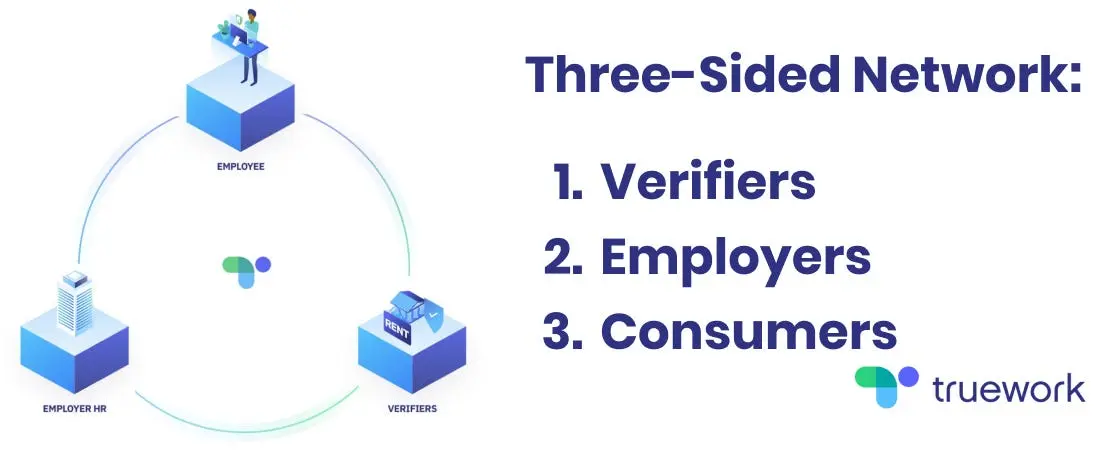
A lender, employer, or housing provider submits a verification request through Truework. That request is tied to a specific individual and purpose, such as income verification for a mortgage or employment confirmation for onboarding.
Truework then pulls data through employer payroll systems, HR platforms, or direct employer confirmation workflows. In many cases, the employee is notified and asked to provide consent, depending on local regulations and the nature of the request.
Once verified, the requesting party receives a report confirming employment details. This can include employer name, employment dates, job status, and income figures.
From firsthand experience working with HR teams, this process can take minutes instead of days, especially when employers are already integrated into the system.
Product Development and Market Evolution
Truework emerged in response to a growing pain point. Traditional employment verification was slow, inconsistent, and labor-intensive. HR teams were overwhelmed with verification calls, while lenders faced delays that affected closing timelines.
According to Statista 2023, the digital employment verification market has expanded rapidly as remote work and gig employment increased. Truework positioned itself as a modern alternative, emphasizing security, speed, and compliance.
Over time, the platform expanded beyond basic employment checks to include income verification and automated workflows. By 2025, these features are no longer optional. They’re expected.
Key Insights: Pros of Truework Employment Verification
One major advantage is speed. Verifications that once took days can now be completed in minutes or hours.
Accuracy is another strong point. Automated data pulls reduce human error, especially compared to manual phone calls or emailed documents.
There’s also a compliance benefit. Truework is designed to align with data privacy regulations and employer consent frameworks. According to a 2024 PwC workforce compliance report, automation reduces compliance risks when properly implemented.
For employees, there’s less paperwork. No digging through old pay stubs or chasing HR contacts.
Cons and Common Concerns
That said, no system is perfect.
One concern is data accuracy at the source. If employer payroll data is outdated or incorrect, the verification may reflect those errors.
Another issue is transparency. Employees sometimes discover Truework involvement only after a verification request has already been initiated, which can feel unsettling.
There’s also limited flexibility for edge cases. Contractors, freelancers, or people with multiple income streams may find the system less accommodating.
From an HR perspective, smaller companies without integrated payroll systems may experience slower verification timelines.
Is Truework Employment Verification Legitimate?
This is one of the most common questions.
Yes, Truework employment verification is legitimate. It is used by major employers, financial institutions, and property managers across the United States.
According to a 2025 Forbes workforce technology overview, automated verification platforms like Truework are now considered standard infrastructure in hiring and lending processes.
However, legitimacy doesn’t mean infallibility. Like any data-driven service, outcomes depend on data quality, proper authorization, and clear communication.
Use Cases: When Truework Is Commonly Used
Truework is most often used during mortgage applications, rental screenings, job onboarding, background checks, and financial aid verification.
Employers use it to verify previous employment during hiring. Lenders use it to confirm income stability. Property managers use it to assess rental eligibility.
It’s less commonly used for international employment or self-employed income verification, where manual documentation is still prevalent.
Data and Trends: 2023 to 2025 Snapshot
Here’s how employment verification has shifted in recent years.
| Category | Trend |
|---|---|
| Manual Verification | Rapid decline |
| Automated Platforms | Steady growth |
| Employee Consent Awareness | Increasing |
| Data Security Investment | Higher than ever |
Insert bar chart showing adoption rates of automated verification tools from 2020 to 2025.
According to a 2024 Gartner HR Systems Report, organizations using automated verification reduced verification turnaround time by more than 60 percent on average.
Privacy, Consent, and Employee Rights
Privacy is a valid concern, and it deserves attention.
Truework generally requires authorization from the requesting party and, in many cases, employee consent. Data shared is limited to what’s necessary for the verification purpose.
Employees have the right to review and dispute inaccurate information. If something doesn’t look right, it’s important to contact both the employer and the requesting institution promptly.
A 2023 Consumer Data Rights study by McKinsey highlighted that transparency and communication significantly reduce employee anxiety around verification systems.
Summary Verdict: What to Know About Truework Employment Verification
Truework employment verification is a modern solution to an old problem. It streamlines a process that used to be slow and frustrating.
For most people, it works quietly and efficiently. For others, especially those with non-traditional employment, it may require follow-up and clarification.
The key takeaway is awareness. Knowing what it is and how it works puts you in control if questions arise.
Conclusion and Final Thoughts
Employment verification may not be exciting, but it’s essential. In a world where speed and accuracy matter more than ever, tools like Truework have become part of the infrastructure that keeps hiring, lending, and housing moving.
The real challenge is balance. Efficiency must coexist with accuracy, consent, and trust.
As verification systems continue to evolve, informed employees and transparent employers will shape how these tools are perceived and improved.
FAQs
- What is truework employment verification used for?
It is used to verify employment and income for purposes like hiring, loans, and rental applications. - Does Truework contact employees directly?
In some cases, employees may be notified or asked for consent, depending on the verification type and regulations. - Is Truework employment verification accurate?
It is generally accurate, but it depends on the quality and timeliness of employer data. - Can employees dispute incorrect information?
Yes, employees can dispute inaccuracies by contacting their employer and the requesting institution. - Is Truework safe and secure?
According to industry reports, Truework follows standard data security and compliance practices used across HR technology platforms.