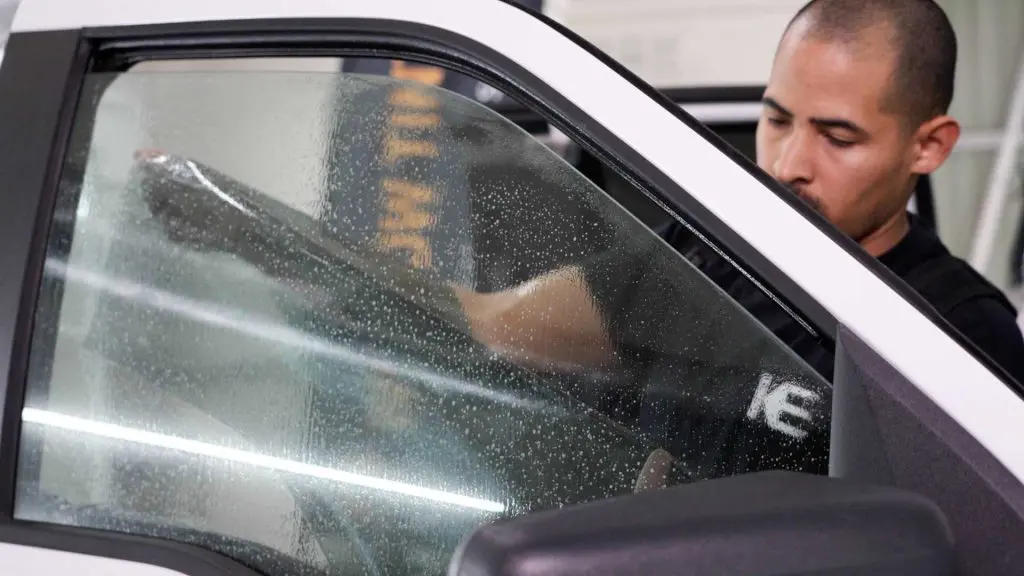

In the state of California, vehicle window tinting is regulated under the California Vehicle Code § 26708 and associated statutes. The law serves two major goals: (1) to enhance safety by ensuring sufficient visibility through windows, especially for the driver, and (2) to maintain uniform standards so that modifications (such as dark or reflective tints) don’t undermine enforcement, visibility, or public safety.
When we refer to the “title” of the law in this context, it simply means the formal legal code (e.g., Vehicle Code) and the specific provisions that govern window tinting. So the “CA tint law and title” means the California law covering tinted windows in vehicles, its proper legal citation, and the rules stemming from it.
Let’s break down what the law says, how it works in practice, the implications for vehicle owners, and finally the Frequently Asked Questions.
What the Law Actually Requires
1. Visible Light Transmission (VLT) Standards
One of the core metrics used in the law is Visible Light Transmission (VLT), i.e., the percentage of visible light that must pass through the window (film + glass) so that the driver maintains visibility.
-
For the front side windows (the driver door window and the front passenger door window), a minimum of 70% light transmission is required. That means the tint cannot block more than ~30% of the light.
-
For the windshield, only the top 4 to 5 inches (above the AS-1 line) may be tinted, and that tint must be non-reflective and cannot be red, amber or blue.
-
For the rear side windows and the rear windshield, darker tinting is generally allowed (i.e., no specific minimum VLT is assigned), but additional requirements apply (such as dual side mirrors).
2. Reflectivity, Colours & Film Certification
The law isn’t just about darkness; it also regulates reflectivity and colour of the tinting material. Some of the key rules:
-
Mirror-like or highly reflective tints, which can create glare for other drivers, are prohibited.
-
Tints in red, amber or blue hues are not allowed on any window.
-
The film used must be certified for legal use in California—installers should provide documentation, and often a small label or sticker is required to be placed behind the film indicating compliance.
3. Medical Exemptions
California does allow certain medical exemptions for individuals whose condition requires darker or special-type tinting (for example, extreme light sensitivity). However, these are strictly controlled:
-
A licensed medical professional must certify the condition and that the tinting is medically necessary.
-
Even with an exemption, the tint must comply with other constraints (e.g., tint still must allow a certain minimum light, cannot be red/amber/blue, reflective restrictions remain).
4. Enforcement & Penalties
Violating the tint law can lead to traffic citations, “fix-it” tickets (where you’re ordered to correct the violation), and in repeat or extreme cases heavier penalties. For example, a first-offense might carry a modest fine plus requirement to have the tint adjusted; ignoring the correction or repeated violations can lead to higher fines and even DMV or registration issues.
Why It Matters: Safety & Visibility
Too dark or too reflective a window tint isn’t just a cosmetic issue—it can impact safety. For instance:
-
If the front side windows transmit too little light, the driver’s visibility at night or in low-light conditions can be impaired (for example, spotting a pedestrian or bicyclist).
-
Highly reflective tints may cause glare for other vehicles, which can distract or blind following drivers.
Because of such risks, states like California take window tinting seriously in traffic enforcement and accident liability contexts.
Practical Steps for Vehicle Owners
If you’re in California (or buying/inserting a vehicle from California), here are some practical tips:
-
Before applying tint, check that the film manufacturer certifies compliance with California law (look for documentation).
-
Ask the installer to place any required compliance sticker.
-
For the front side windows, ensure the VLT is at least 70%. If the film product list gives a smaller number (e.g., 35 % VLT), that may mean it’s too dark for front windows (but may be okay for rear side windows).
-
If you receive a tint violation ticket, act quickly: remove or adjust the tint as required, get proof of correction, and submit it by deadline to avoid further penalties.
-
If you have a medical condition and wish to use darker tinting, consult a qualified physician and submit the necessary application for exemption before installing non-standard films.
-
Keep in mind: if you buy a used vehicle that already has tint, verify whether that tint complies with California law—otherwise you may have to correct it.
Frequently Asked Questions (FAQs)
Here are some of the common questions and their answers:
Q1: What is the darkest tint I can legally have on the front side windows in California?
A: You must allow at least 70% light transmission, which translates to a tint that blocks no more than ~30% of visible light. If a film is rated, say, “30% VLT,” that means 30% of the light passes and 70% is blocked, so that would be too dark for front side windows.
Q2: Can I tint the windshield?
A: Yes, but with limitations. Only the top 4–5 inches (above the AS-1 line) may be tinted, and the tint must be non-reflective and not in red, amber or blue hues.
Q3: Are there tint limits for the rear side windows and rear windshield?
A: Yes, although more permissive. While no specific minimum VLT is mandated for these windows, if you tint the rear windshield you must have functional dual side mirrors (one on each side). Also, the same rules about reflectivity and prohibited colours apply.
Q4: What are the penalties for illegal window tinting in California?
A: For a first violation you may receive a “fix-it” ticket, requiring you to correct the tint and show proof. The fine might be modest (for example, around $25 depending on county). If you ignore the ticket, or commit repeat violations, fines may increase (to several hundred dollars), and in rare cases a court warrant or registration suspension may follow.
Q5: Can illegal tinting cause problems after a car accident?
A: Yes. If your visibility was impaired due to illegal tinting and that contributed to an accident, that could increase liability in a collision claim. There are law-firm articles pointing out that excessively dark tints may hamper a driver’s ability to see hazards, which can be used as evidence in personal injury cases.
Q6: How do I apply for a medical exemption for darker tinting?
A: You’ll need a signed statement from a qualified medical professional certifying your condition and need for increased UV/light protection. Then you must complete the state form (e.g., REG 256A) and submit to the California Department of Motor Vehicles (DMV). Even with an exemption, you still must comply with some restrictions (e.g., no coloured or reflective films, still allow a certain minimum light level).
Q7: My car already has tinted windows (used car purchase). What should I check?
A: Inspect the front side windows to see whether the tint appears very dark (i.e., less than what a typical factory glass would allow). Ask for documentation from the previous owner or installer about VLT. If you’re uncertain, the safest route is to remove the tint or replace it with a legally compliant film, because a future traffic stop or accident claim could result in issues.
Q8: Does the law differ for commercial vehicles or rideshare vehicles?
A: The law’s core provisions are the same, but if you use the vehicle for rideshare or commercial purposes, additional regulations (e.g., by rideshare companies or local ordinances) might apply. It’s wise to check both the state law and any additional company or municipal requirements.