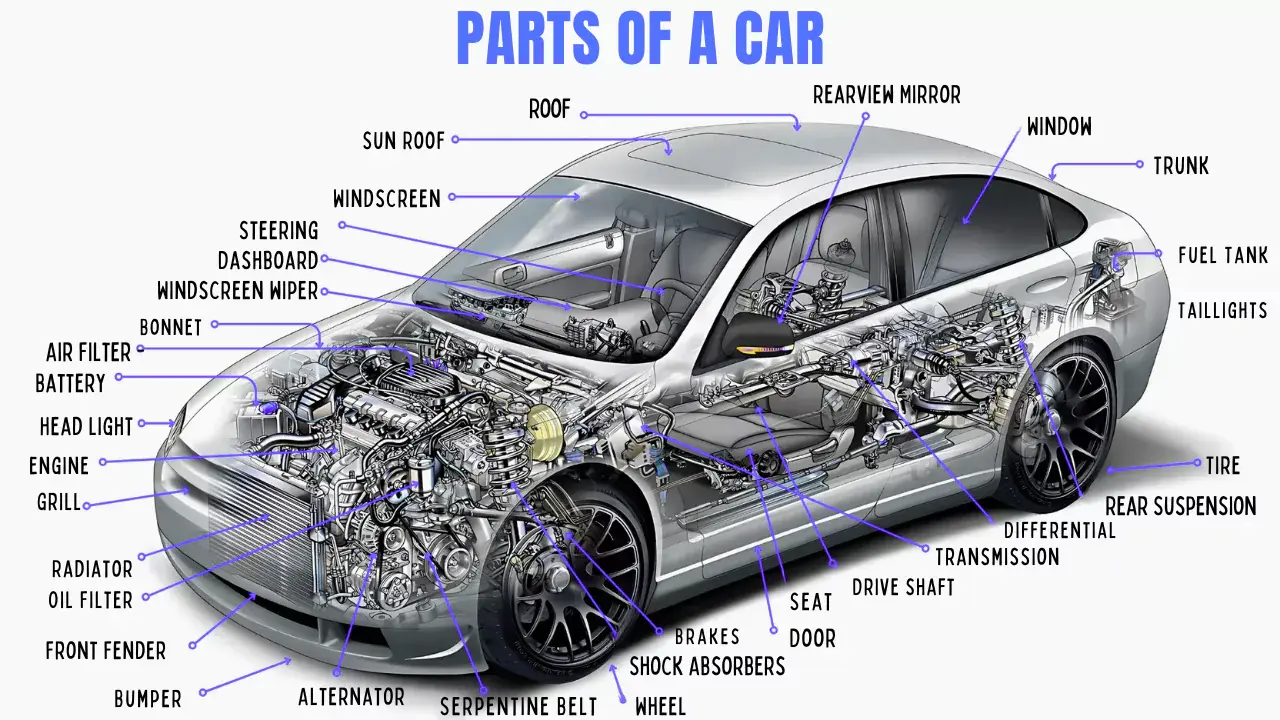

A car wheel might seem like a simple circular component, but it is actually a well-engineered system made up of multiple parts that work together to ensure smooth, safe, and efficient driving. Every part of a wheel plays a crucial role in traction, handling, braking, acceleration, and road comfort. Whether you are a car owner, a beginner in automotive studies, or simply a curious driver, understanding wheel components can help you recognize problems earlier and make smarter maintenance and repair decisions.
This article explores the main parts of a car wheel, how they work, and why each piece matters.
⚙ 1. Rim
The rim is the outer metal ring on which the tire is mounted. It provides structural support to the tire, allowing it to maintain shape under weight and pressure. Rims are typically made of steel or alloy:
-
Steel rims are heavier but durable and more affordable.
-
Alloy rims (aluminum or magnesium) are lightweight and improve handling and fuel efficiency.
Rim width and diameter must match the tire specifications to ensure safety and optimal performance. Poorly matched rims can cause uneven tire wear, vibration, and loss of handling.
2. Tire
The tire is the rubber component that contacts the road. It absorbs shocks, provides traction, and plays a major role in braking. A modern tire includes:
-
Tread – Patterned surface that grips the road.
-
Sidewall – Side layer that supports pressure and protects the structure.
-
Bead – Reinforced edge that fits tightly against the rim.
-
Carcass – Internal structure that gives the tire its shape and strength.
Tires vary depending on climate, terrain, and performance—such as all-season, summer, winter, off-road, or performance tires.
3. Hub
The wheel hub is the central part that connects the wheel to the axle. It contains:
-
Hub assembly
-
Bearings
-
Wheel studs (for lug nuts)
Wheel bearings inside the hub allow the wheel to rotate smoothly while carrying the vehicle’s weight. A faulty hub or bearing can cause grinding noises, steering vibration, and even loss of control.
4. Lug Nuts / Wheel Bolts
Lug nuts (or wheel bolts in some cars) secure the rim to the wheel hub. They must be tightened to the correct torque—too loose and the wheel can detach, too tight and the studs may warp or break. After tire rotation or wheel installation, technicians often recommend re-torquing after a short distance to ensure safety.
5. Valve Stem
The valve stem is a small but essential component that allows air to inflate the tire. It contains a valve core that keeps the air sealed inside the tire. Valve stems can be:
-
Rubber – common on standard tires
-
Metal – typically used for high-pressure or performance wheels
Valve stem damage can lead to slow air leaks, which reduce fuel economy and tire life.
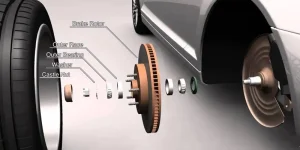
6. Wheel Bearing
Wheel bearings support the wheel’s rotation by reducing friction between the hub and axle. They are built to handle the vehicle’s weight and high rotational speeds. Worn-out bearings can cause:
-
Humming or growling noises
-
Uneven tire wear
-
Steering instability
Replacing faulty bearings promptly is crucial for vehicle safety.
⚖ 7. Center Bore
The center bore is the hole in the middle of the rim that fits onto the hub. It ensures proper centering of the wheel on the vehicle. Some aftermarket wheels require hub-centric rings to match the car’s hub and prevent vibration.
8. Wheel Cover or Center Cap (Optional)
Many cars feature decorative covers that snap onto steel rims or center caps on alloy wheels. While mostly aesthetic, they can also protect lug nuts from corrosion.
9. Bead Seat
This is the area of the rim where the tire bead rests. A tight seal between the bead and bead seat keeps the tire inflated. Damage or dirt on the bead seat can lead to air leaks or improper tire mounting.
10. Spokes
Spokes are the supports between the center hub and the rim. They improve structural strength and distribute forces during braking and acceleration. Spoke designs vary greatly based on style and performance requirements.
How All the Parts Work Together
When the car moves, each wheel component performs a coordinated function:
| Component | Main Role |
|---|---|
| Tire | Road grip, cushioning, braking |
| Rim | Structural support and mounting surface |
| Hub | Attachment to axle and rotating mechanism |
| Bearings | Ensure smooth rotation |
| Lug Nuts | Fasten wheel securely |
| Valve Stem | Air inflation and pressure retention |
| Spokes | Reinforces wheel strength |
| Bead Seat | Air-tight seal between tire and rim |
Ignoring even one component can lead to reduced performance or dangerous driving conditions.
Maintenance Tips for Wheel and Tire Longevity
To keep a car’s wheels functioning safely:
-
Check tire pressure regularly
-
Rotate tires as recommended
-
Balance and align wheels to avoid vibration and premature wear
-
Inspect wheels for cracks, bends, or corrosion
-
Replace damaged valve stems and monitor caps
-
Listen for noise indicating bearing or hub issues
A properly maintained wheel extends tire life, improves fuel efficiency, and enhances driving comfort.
Frequently Asked Questions (FAQs)
1. How often should I rotate my tires?
Most manufacturers recommend every 5,000–8,000 miles (8,000–12,000 km) or at every oil change to ensure even tread wear.
2. What causes wheel vibration while driving?
Common causes include unbalanced tires, bent rims, worn bearings, misalignment, or loose lug nuts.
3. Do alloy wheels improve performance?
Yes. Alloy wheels are lighter than steel, reducing unsprung weight and improving handling, fuel efficiency, and acceleration.
4. How can I tell if my wheel bearings are failing?
Signs include humming noises, rumbling when turning, or vibration in the steering wheel. It should be repaired immediately for safety.
5. Should I replace all four tires at the same time?
It’s ideal but not always necessary. However, all-wheel-drive vehicles require matched tire wear to avoid drivetrain damage.
6. What is the difference between wheel balancing and alignment?
-
Balancing corrects weight imbalance in tires.
-
Alignment adjusts suspension angles for straight tracking and even wear.
7. Can I use aftermarket wheels on any car?
Yes, but they must match specifications such as bolt pattern, offset, rim diameter, center bore, and load rating.
Final Thoughts
The car wheel is far more than a simple circle—it’s an advanced structural system designed for safety, comfort, and performance. Each component, from the tire tread to the bearings inside the hub, plays a vital role. By understanding how the wheel works and maintaining it properly, drivers can improve vehicle handling, reduce repair costs, and ensure safer journeys.