

What Is Viltnemnda? Norway’s Municipal Wildlife Committee System
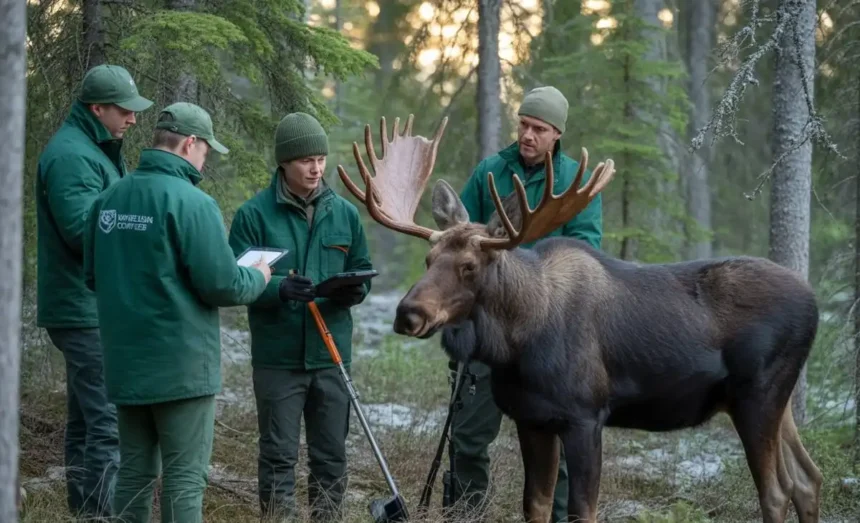
Viltnemnda (plural: viltnemndene) is a Norwegian term for a municipal wildlife committee responsible for regulating animal populations, overseeing hunting activity, and driving conservation efforts at the local government level. Operating within Norway’s national environmental framework, each Viltnemnda holds meaningful autonomy to tailor policies based on the specific ecological, agricultural, and social conditions of its municipality.
Norway’s approach stands apart from purely centralized wildlife systems. Rather than applying uniform national rules across a country with vastly different landscapes — from Arctic tundra to inland forests to coastal fjords — the Norwegian model pushes decision-making to the communities that live alongside the wildlife being managed.
How Viltnemnda Works: Structure and Governance
Who Sits on a Viltnemnda Committee?
Each committee is composed of appointed members drawn from stakeholder groups with a direct interest in local wildlife outcomes. A typical Viltnemnda includes:
- Local hunters with firsthand knowledge of population behavior, seasonal patterns, and terrain
- Farmers and agricultural landowners who experience crop damage, livestock threats, and habitat competition from wildlife
- Environmental specialists and conservation advocates who apply ecological science to policy decisions
- Municipal officials managing land-use planning and infrastructure
- Community representatives who ensure public safety and broader civic interests are reflected
This cross-sector composition is intentional. It prevents any single interest — commercial hunting, conservation ideology, or agricultural productivity — from dominating policy at the expense of others.
How Often Does Viltnemnda Meet?
Committees convene regularly throughout the year to review population survey data, assess hunting quota recommendations, evaluate ongoing conservation programs, and respond to emerging challenges such as disease outbreaks or habitat disruption. Meeting frequency varies by municipality but increases during hunting season planning periods.
Core Responsibilities of Viltnemnda Committees
Setting Hunting Quotas and Seasons
The most visible function of a Viltnemnda is determining annual hunting quotas. These figures are not arbitrary — they are grounded in population counts, reproductive rate assessments, habitat carrying capacity estimates, and data from previous hunting seasons.
Sustainable hunting serves a dual ecological purpose: it prevents overpopulation (which degrades habitat and increases human-wildlife conflict) while ensuring species populations remain healthy long-term. In forest-heavy municipalities, moose (Alces alces) management is often the dominant quota concern, as moose populations directly affect forest regeneration, road safety, and agricultural loss.
Wildlife Conservation and Biodiversity Stewardship
Beyond hunting regulation, Viltnemnda committees actively work to protect threatened species and preserve habitat integrity. Specific conservation activities include:
- Monitoring migration corridors to prevent fragmentation from road or urban development
- Supporting wetland preservation for migratory birds and aquatic species
- Coordinating with national agencies such as the Norwegian Environment Agency (Miljødirektoratet) on species-specific recovery programs
Managing Human–Wildlife Conflict
Where wildlife and human activity intersect — farmland edges, rural roads, forest settlements — conflict is inevitable. Viltnemnda committees serve as the first institutional response to these situations. Practical interventions include recommending targeted culling, installing wildlife fencing, advising on crop protection strategies, and launching public awareness initiatives on safe behavior around large mammals.
In municipalities with heavy agricultural activity, these conflict-management decisions carry significant economic weight. Moose and deer grazing on crops, or predators threatening livestock, can result in substantial annual losses for farmers without coordinated management responses.
Public Education and Stakeholder Engagement
Committees also invest in community-level education: informing residents about local hunting regulations, wildlife behavior, responsible recreation in natural areas, and reporting protocols when wildlife incidents occur. This outreach builds the public trust that makes conservation policies politically sustainable over time.
Viltnemnda Ringsaker: A Case Study in Complex Wildlife Governance
Ringsaker municipality in Innlandet county illustrates the practical complexity that local wildlife committees navigate. Ringsaker’s landscape includes extensive boreal forests, productive farmland, and the shores of Lake Mjøsa — Norway’s largest lake. This geographic variety produces correspondingly varied wildlife management demands.
Large mammals, including moose and roe deer (Capreolus capreolus), inhabit the forested zones, requiring active quota management to balance ecological health with agricultural protection. Agricultural areas see interactions with birds and grazing species that affect crop yields. Lake Mjøsa and surrounding wetlands provide habitat for aquatic species and migratory waterfowl, creating conservation priorities distinct from the forested zones.
Viltnemnda Ringsaker must simultaneously coordinate with hunters, farmers, environmental agencies, and municipal planners — all of whom hold legitimate but sometimes competing interests. The committee’s value lies precisely in its capacity to hold that complexity at the local level, where decisions can be informed by direct knowledge rather than distant bureaucratic assumptions.
Why Decentralized Wildlife Management Works: The Viltnemnda Advantage
Local Ecological Knowledge Improves Decision Accuracy
Wildlife behavior varies by region, season, and habitat type in ways that national-level data often cannot fully capture. Local hunters, farmers, and land managers accumulate observational knowledge over decades — knowledge that strengthens the accuracy of population assessments and quota recommendations.
Community Ownership Drives Policy Compliance
Policies developed with local participation generate greater community buy-in than those imposed from above. When residents see their knowledge and concerns reflected in wildlife regulations, voluntary compliance increases — reducing enforcement burden and improving conservation outcomes.
Adaptive Governance Responds Faster to Emerging Issues
A centralized agency may take months or years to update policy in response to a local disease outbreak, sudden population spike, or habitat disruption event. A Viltnemnda can convene, evaluate, and recommend interim measures within its regular meeting cycle — a significant advantage in time-sensitive ecological situations.
Challenges Confronting Viltnemnda Committees Today
Climate Change and Shifting Species Ranges
Warming temperatures are altering the seasonal behavior, migration routes, and geographic range of Norwegian wildlife. Species previously confined to lower elevations or southern latitudes are moving into new territories, creating novel management challenges for committees that have not historically governed those populations. Quota frameworks built on decades of stable ecological data require ongoing recalibration.
Habitat Fragmentation from Urban and Infrastructure Expansion
As road networks, residential development, and industrial activity expand into formerly rural areas, wildlife habitats become fragmented. Migration corridors are severed. Population isolation increases inbreeding risk. Viltnemnda committees increasingly must engage with municipal land-use planners to ensure development projects account for wildlife connectivity.
Balancing Competing Stakeholder Interests
The cross-sector composition of Viltnemnda committees is both a strength and a source of tension. Hunters may prioritize quota levels that maximize sporting opportunity. Farmers may demand more aggressive conflict management. Conservationists may push for restrictions that limit both. Effective committee governance requires structured negotiation processes and a consistent return to scientific evidence as the arbiter of disputes.
The Future of Viltnemnda: Technology, Collaboration, and Climate Adaptation
Norwegian wildlife management is evolving toward greater integration of remote sensing, GPS collar tracking, and population modeling software to sharpen quota recommendations and habitat assessments. Viltnemnda committees are expected to incorporate this data infrastructure into their regular review processes.
Stronger coordination between municipal committees, county-level agencies, and the Norwegian Environment Agency is also a stated priority — particularly for managing species whose ranges cross municipal boundaries, such as reindeer herds, wolf packs, and large bird populations.
Public engagement is expanding through digital reporting tools that allow residents to log wildlife sightings, incident reports, and habitat observations — crowdsourcing ecological data that supplements formal surveys.
Frequently Asked Questions About Viltnemnda
What does Viltnemnda mean in English?
Viltnemnda translates roughly to “wildlife committee” or “game committee” in English. It refers to a locally appointed municipal body in Norway responsible for wildlife management, hunting regulation, and conservation oversight.
Who appoints members of a Viltnemnda?
Members are typically appointed by the municipal council (kommunestyret) and represent a range of local stakeholders, including hunters, farmers, environmental specialists, and community representatives.
What is the difference between Viltnemnda and national wildlife agencies in Norway?
The Norwegian Environment Agency (Miljødirektoratet) sets national environmental law and policy. Viltnemnda committees operate within that legal framework but hold autonomy to make localized decisions about hunting quotas, conservation priorities, and human-wildlife conflict management based on regional conditions.
How does Viltnemnda determine hunting quotas?
Quotas are set using scientific data including wildlife population surveys, reproductive rate estimates, habitat capacity assessments, and historical hunting records. The goal is to maintain ecologically sustainable population levels while addressing local agricultural and safety concerns.
Does the Viltnemnda model have relevance outside Norway?
Yes. Wildlife management researchers and policymakers in other countries point to Norway’s decentralized committee model as an example of how local governance structures can improve conservation outcomes by integrating community knowledge, scientific rigor, and stakeholder representation into a single decision-making body.