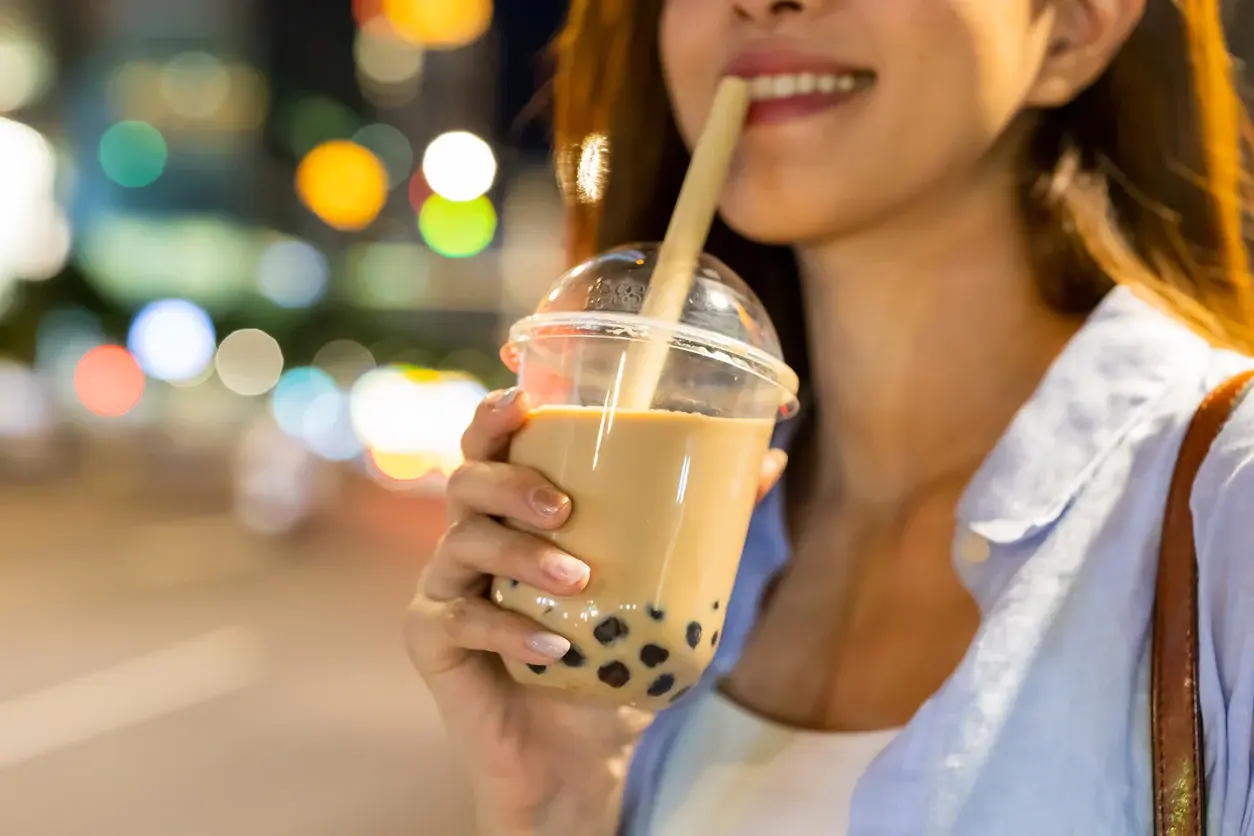

Bubble tea, which is referred to as boba tea or pearl milk tea in some areas, is not just a drink but rather a symbol of culture that has gone to different parts of the globe. The drink with its tapioca pearls that are crunchy with different flavors and great looks has won the hearts of millions of people all over the planet. The drink was initially nothing more than a DIY project in Taiwan that later turned into a multibillion-dollar industry, which in turn attracted cafés, helped set trends in social media, and influenced modern taste.
Origins of Bubble Tea
Bubble tea is a product of Taiwan that came into being in the 1980s, a time when the country was experiencing rapid economic growth and was venturing into new food ideas. Tea drinking was a long-established practice in Taiwan and people were already looking for different ways to make tea drinks fashionable. There are two main stories about the origin of this drink: one gives the credit to the Chun Shui Tang teahouse in Taichung, where iced tea was served and later mixed with tapioca pearls; the other refers to the Hanlin Tea Room in Tainan that used white tapioca pearls inspired by local sweets.
No matter where exactly the fusion of sweetened milk tea and chewy tapioca pearls came from, it was nothing short of revolutionary. The word “bubble” in the beginning did not point to the pearls but to the frothy bubbles that were formed when the tea was shaken. Nevertheless, by the end of the day, the pearls had become the trademark of the drink.
What Makes Bubble Tea Unique
Bubble tea comprises brewed tea, milk or fruit flavouring, sweetener and toppings at its core. The most famous topping, tapioca pearls—made from cassava starch—bring chewy texture that opposes the smoothness of the tea. This mixed experience of textures is one of the main reasons why bubble tea is different from other drinks.
The personalization factor is essential. Consumers have the option to select the tea type (black, green, oolong, jasmine), sweetness level, ice level, milk type (dairy, oat, soy, almond) and a multitude of toppings. Among them are grass jelly, aloe vera, pudding, red bean, popping boba, cheese foam, and fruit jellies. Thus, a drink tailored to the individual taste is created.
The Global Rise of Bubble Tea
Bubble tea started to expand its territory beyond the borders of Taiwan in the 1990s, and it was the first to find its way to the neighboring East Asian countries like Japan, South Korea, and China. One of the factors that make bubble tea popular in North America, Australia, and Europe was Taiwanese migration. In addition, coffee and tea shops, and especially bubble tea shops in these cities with large Asian populations, became popular as meeting places for students and youths very soon.
The global attractiveness of bubble tea was increased considerably by the advent of social media. This beverage is very “Instagrammable” due to its visually appealing and fun presentation along with oversized straws. The likes of Instagram, TikTok, and YouTube facilitated the transition of bubble tea from a simple beverage to a lifestyle product. The industry was continuously rejuvenated and made more creative through the so-called trends, such as brown sugar boba milk and cheese tea, which ultimately drove the rise of bubble tea.
These days, one can easily find bubble tea shops in the major cities of the whole world, such as New York and London, Dubai and São Paulo. The international chains and the local independent cafés are co-existing, each one serving its own unique version of the drink.
Cultural Significance
Bubble tea has been and always will be synonymous with youth culture. For the youth, bubble tea shop is not only a place where you can buy your favorite drink but also a social place where you can study, hang out with friends, or just relax. This is the reason why bubble tea cafés are like coffee shops but with a more fun and casual atmosphere.
Taiwan has been and is still a bubble tea country when it has to do with drinks. The beverage has become a cultural ambassador for Taiwan, often in the tourism campaigns and at the international events. Moreover, in recent times, the drink has gained political connotations with the meaning of being a symbol of democracy and cultural pride in Taiwan during the international debate.
Health Considerations and Modern Adaptations
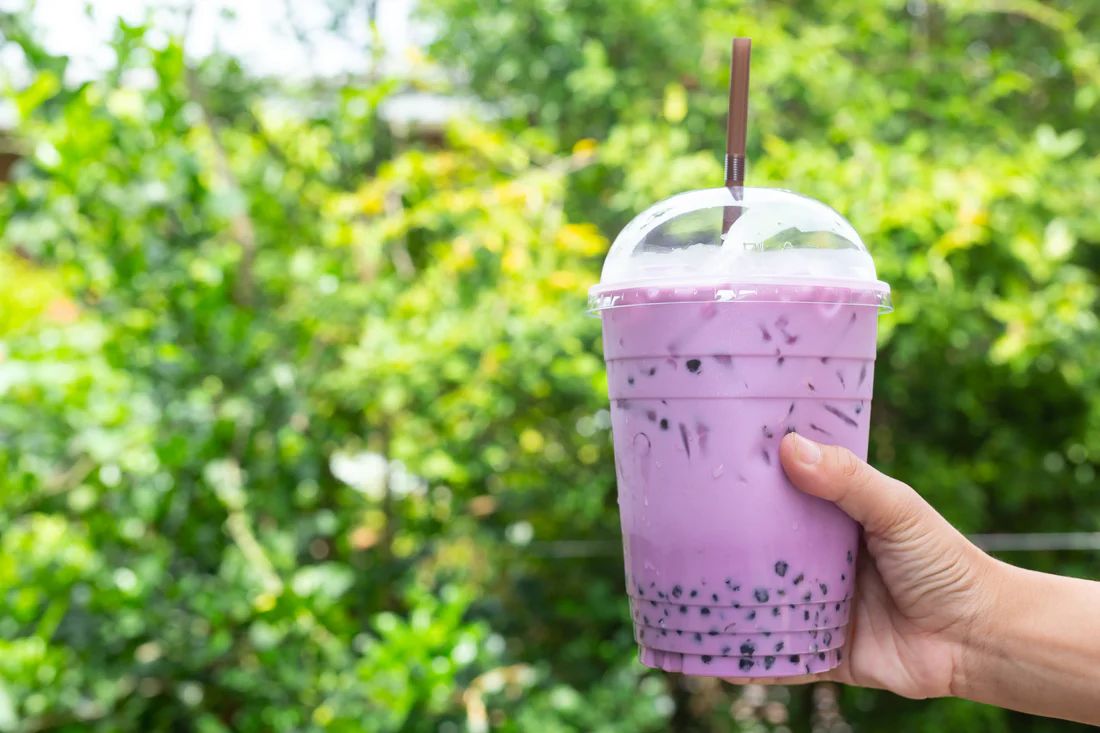
Bubble tea has been criticized for its sugar content and calorie levels despite being a favorite. The classic preparations usually come with a lot of sugar and high-calorie toppings that may lead to health problems if the drink is taken in large quantities.
However, the situation has led to the introduction of healthier options by bubble tea shops. Meanwhile, at some shops the use of animal-free milk, fresh fruit teas, and natural sweeteners are on the rise as people prefer low-sugar drinks. Besides highlighting the use of high-quality leaves and freshly cooked pearls, some shops also attract health-minded customers seeking flavor at the same time.
Moreover, the creation of unsweetened teas, protein-infused drinks, and low-calorie toppings are a few demonstrations of the industry’s reaction to the ever-changing consumer demands.
Economic Impact and Industry Growth
The bubble tea business has transformed into a massive global market worth billions of dollars. The franchise systems have been instrumental in this growth, enabling the fast international expansion of the famous brands. In contrast, the small businesses continue to flourish by concentrating on handmade quality, native tastes, and unique marketing.
Besides the retail, the industry offers a great supply chain in the background, which consists of tea growers, tapioca makers, packaging suppliers, and shipping firms. Besides, with the increased demand, the issue of sustainability has come up frequently among the industry’s concerns. To ensure that they have less negative impact on the environment, some firms are testing out biodegradable cups, reusable straws, and fairly traded ingredients as their trials.
The Future of Bubble Tea
Bubble tea shows no signs of fading in popularity. Continuous innovation keeps the market fresh, whether through seasonal flavors, cross-cultural influences, or new textures and ingredients. The fusion of bubble tea with other culinary trends—such as coffee-boba hybrids or dessert-style drinks—suggests that the category will continue to evolve.
As consumer tastes become more sophisticated, the focus may shift further toward quality, transparency, and sustainability. At the same time, bubble tea’s core appeal—fun, customization, and sensory enjoyment—will remain unchanged.
Conclusion
Making its way from the basic Taiwanese tea shops to being a worldwide cultural phenomenon, the path taken by bubble tea is a proof of the food culture’s creativeness and adaptability. The beverage’s mixture of flavor, texture, and customization has completely changed the perception of beverages by people. Bubble tea is not just a trend it is a source of connection, identity, and innovation in a world that is rapidly globalizing. It can be taken as a sweet treat or as a social ritual, bubble tea is still the one that unites people—one chewy sip at a time.