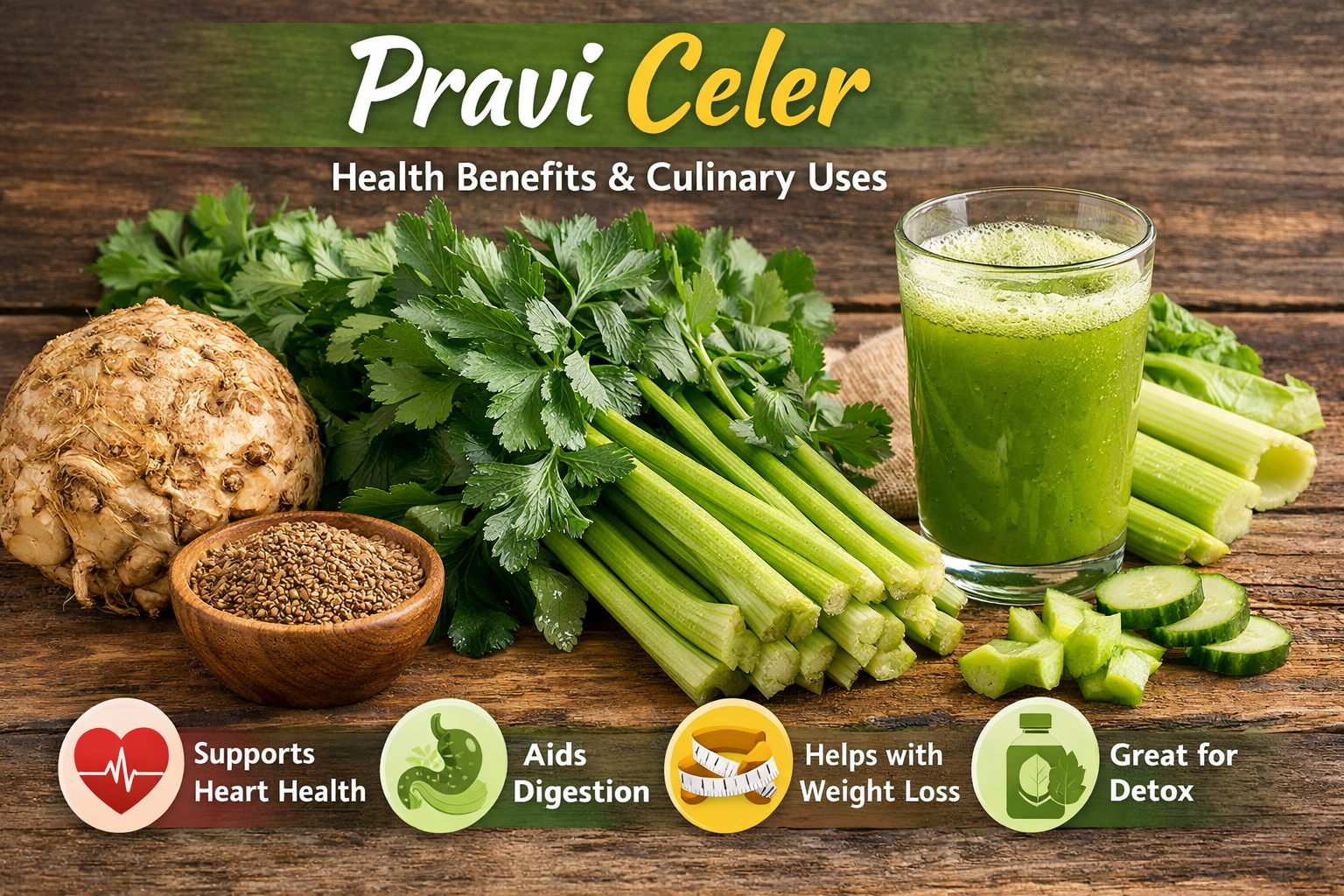

In an era where processed foods dominate grocery aisles, consumers are rediscovering the value of whole, unprocessed vegetables. Pravi celer—translated as “true celery” from Slavic languages—represents celery in its most authentic form, encompassing stalks, leaves, and roots without processing or modification.
This comprehensive guide examines the nutritional science, evidence-based health benefits, and practical applications of pravi celer, providing readers with actionable information for incorporating this nutrient-dense vegetable into their daily routines.
Understanding Pravi Celer: What Makes It “True” Celery?
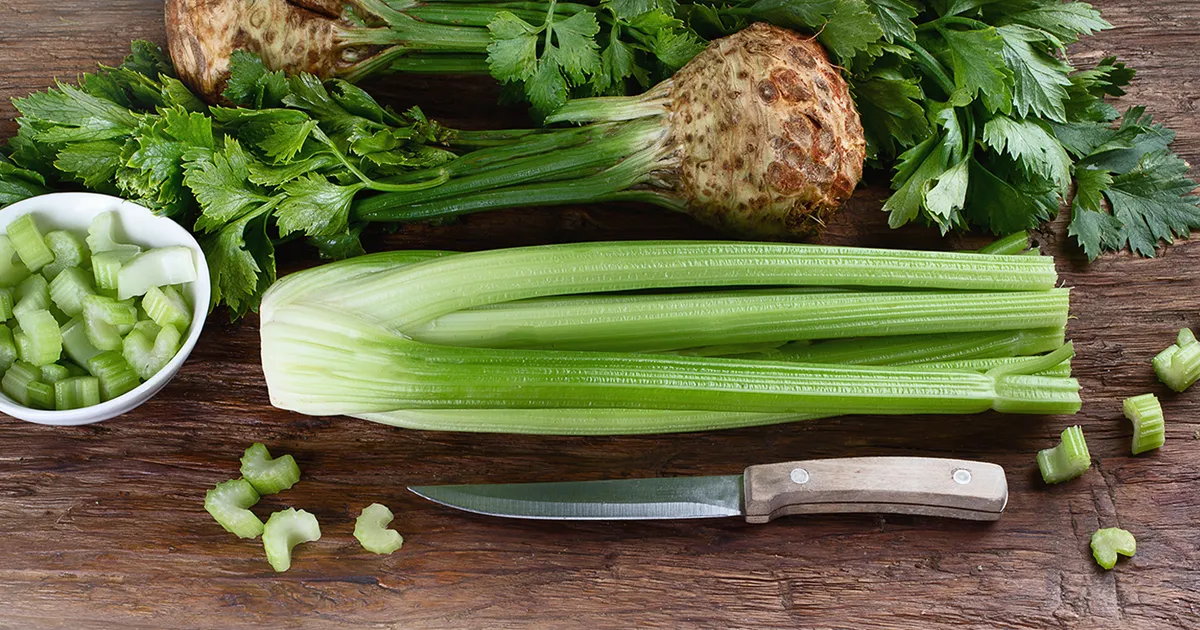
Pravi celer refers to fresh, whole celery (Apium graveolens) from the Apiaceae family, which includes nutritionally significant vegetables like carrots, parsley, and fennel. The term emphasizes using the entire plant—stalks, leaves, seeds, and celeriac root—rather than just the trimmed stalks commonly sold in supermarkets.
Archaeological evidence shows celery cultivation dates back over 3,000 years. Ancient Egyptians, Greeks, and Romans valued it for both culinary and therapeutic purposes. Ancient Greek athletes consumed celery leaves before competitions, while Romans used it in ceremonial garlands.
The distinction of “true celery” matters because traditional agricultural practices and whole-plant utilization maximize nutritional benefits and minimize waste.
Nutritional Profile: Why Pravi Celer Qualifies as a Functional Food
Pravi celer delivers substantial nutrition with minimal calories. One cup (101g) of chopped raw celery contains approximately:
- Calories: 14
- Water content: 95%
- Dietary fiber: 1.6g
- Vitamin K: 29.6 mcg (37% DV)
- Vitamin C: 3.1mg (5% DV)
- Potassium: 263mg (8% DV)
- Folate: 36.5 mcg (9% DV)
- Vitamin A: 453 IU (9% DV)
Beyond these macronutrients, celery contains bioactive compounds including:
Apigenin: A flavonoid with demonstrated anti-inflammatory and neuroprotective properties in laboratory studies.
Luteolin: An antioxidant that may support cognitive function and reduce oxidative stress.
Phthalides: Compounds that give celery its distinctive aroma and may contribute to blood pressure regulation.
Polyacetylenes: Phytochemicals with potential anti-cancer properties currently under research.
This nutrient density, combined with extremely low caloric content, positions pravi celer as an ideal food for health-conscious consumers.
Evidence-Based Health Benefits of Pravi Celer
Digestive System Support and Gut Health
The soluble and insoluble fiber in pravi celer promotes digestive regularity and feeds beneficial gut bacteria. Fiber acts as a prebiotic, supporting the growth of Lactobacillus and Bifidobacterium species that contribute to intestinal health.
Traditional European folk medicine has long recommended celery for reducing bloating and gas. While controlled clinical trials remain limited, celery’s fiber content and high water volume support these anecdotal claims through established digestive mechanisms.
Cardiovascular Health and Blood Pressure Management
Potassium-rich foods like pravi celer help counterbalance sodium intake, supporting healthy blood pressure levels. A diet adequate in potassium (2,600-3,400mg daily for adults) correlates with reduced cardiovascular disease risk.
Phthalides found in celery may relax arterial smooth muscle tissue, potentially improving circulation. While human studies are ongoing, animal research shows promising vasodilatory effects from celery seed extract.
Hydration, Kidney Function, and Natural Detoxification
With 95% water content, pravi celer contributes significantly to daily fluid intake. Adequate hydration supports kidney filtration, helps maintain electrolyte balance, and enables the body’s natural detoxification pathways through the liver and kidneys.
Celery also acts as a natural diuretic, promoting urine production without depleting essential electrolytes—a property recognized in traditional herbal medicine systems.
Anti-Inflammatory Properties and Chronic Disease Prevention
Chronic inflammation underlies numerous conditions including cardiovascular disease, diabetes, and arthritis. The polyphenols and flavonoids in pravi celer demonstrate anti-inflammatory activity in laboratory settings by inhibiting inflammatory enzyme pathways.
Apigenin, one of celery’s primary bioactive compounds, has shown the ability to reduce inflammatory markers like TNF-alpha and IL-6 in research models, though human clinical trials are needed to confirm therapeutic doses.
Weight Management and Satiety
Pravi celer’s combination of high water content, fiber, and minimal calories makes it exceptionally filling relative to its caloric density. This high satiety index supports weight management by reducing overall calorie intake without triggering hunger signals.
Crunchy vegetables like celery also require more chewing, which slows eating pace and improves satiety hormone signaling.
Antioxidant Protection Against Oxidative Stress
Free radical damage accelerates aging and contributes to chronic disease development. The vitamin C, beta-carotene, and flavonoids in pravi celer neutralize free radicals, protecting cellular structures from oxidative damage.
Regular consumption of antioxidant-rich vegetables correlates with reduced rates of age-related cognitive decline and certain cancers in population studies.
Culinary Applications: Maximizing Pravi Celer’s Versatility
Fresh and Raw Preparations
Celery sticks: The classic snack pairs well with nut butters, hummus, cream cheese, or Greek yogurt dips.
Salads: Thinly sliced celery adds textural contrast to leafy greens, grain salads, and coleslaws.
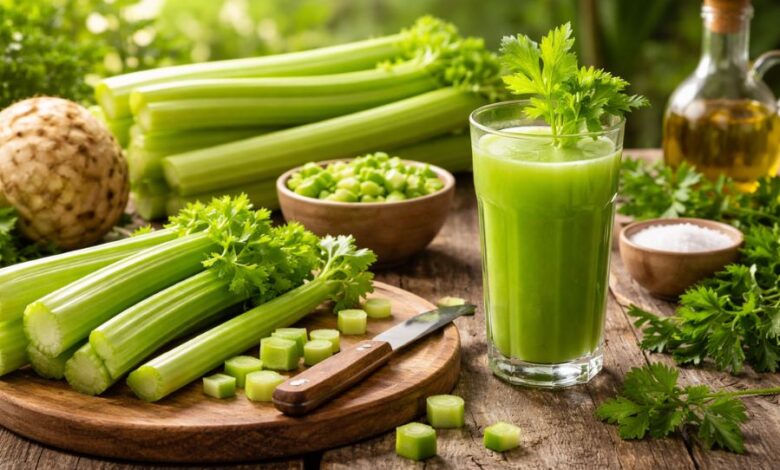
Juicing: Fresh celery juice has become popular in wellness communities. Consuming 16 ounces of fresh-pressed celery juice on an empty stomach is a common practice, though scientific evidence for extraordinary health claims remains limited.
Smoothies: Celery blends well with apples, cucumbers, leafy greens, and ginger for nutrient-dense beverages.
Cooked Applications
Mirepoix base: Celery forms one-third of this French aromatic base (alongside onions and carrots) used in soups, stocks, and braises.
Soups and stews: Celery contributes subtle flavor and nutrients to chicken soup, vegetable stew, and chowders.
Stir-fries: Quick-cooked celery retains crunch and absorbs flavors from sauces and aromatics.
Roasted celery: High-heat roasting caramelizes celery’s natural sugars, creating a sweet, tender side dish.
Celeriac (Celery Root) Preparations
Celeriac, the underground portion of certain celery varieties, offers distinct culinary possibilities:
Celeriac purée: A low-carbohydrate alternative to mashed potatoes with earthy, nutty flavor.
Roasted celeriac: Cubed and roasted until golden, it develops sweet, caramelized notes.
Raw celeriac salad (celeri rémoulade): A classic French preparation featuring julienned celeriac in mustard-mayonnaise dressing.
Celeriac soup: Blended with leeks and potatoes for a creamy, comforting dish.
Utilizing Celery Leaves
Celery leaves contain more concentrated nutrients and flavor than stalks. Rather than discarding them:
- Chop finely and use as an herb similar to parsley
- Add to pesto or chimichurri
- Dry and crumble into spice blends
- Use as garnish for soups and grain bowls
This whole-plant approach embodies the philosophy of pravi celer while reducing food waste.
Pravi Celer in Traditional and Contemporary Wellness Culture
Historical and Cultural Significance
Throughout Balkan and Eastern European cultures, celery has symbolized vitality, purification, and natural healing. Traditional healers prescribed celery preparations for joint pain, urinary issues, and digestive complaints.
In Ancient Greece, celery was associated with death and funerals—wreaths were made from celery leaves. Conversely, medieval European herbalists considered it an aphrodisiac and prescribed it for reproductive health.
These cultural traditions, while not always scientifically validated, reflect celery’s long-standing recognition as a health-promoting food.
The Modern Celery Juice Movement
Social media wellness influencers have popularized morning celery juice as a healing elixir, claiming benefits ranging from improved skin to reduced inflammation. While fresh vegetable juice provides concentrated nutrients and hydration, extraordinary health claims often lack rigorous scientific support.
Registered dietitians generally support celery consumption as part of a varied diet but caution against viewing any single food as a cure-all. Whole celery provides beneficial fiber that juice extraction removes, making both forms valuable for different reasons.
Selecting, Storing, and Preparing Fresh Pravi Celer
Purchasing Guidelines
Choose celery with these quality indicators:
- Firm, crisp stalks that snap cleanly when bent
- Bright green coloration without yellowing or browning
- Fresh-looking leaves without wilting or sliminess
- Compact bunch with minimal separation between stalks
- No signs of insect damage or soft spots
Organic celery may be preferable for those concerned about pesticide residues, as conventionally grown celery frequently appears on environmental working group’s “Dirty Dozen” list.
Proper Storage Methods
Maximize freshness with these storage techniques:
Refrigerator storage: Wrap unwashed celery in aluminum foil or place in a perforated plastic bag in the crisper drawer. This maintains moisture while allowing ethylene gas to escape.
Water method: Trim the base and stand celery in a container with 1-2 inches of water, covering loosely with a plastic bag. Change water every 2-3 days.
Blanching and freezing: For long-term storage, blanch celery pieces for 3 minutes, shock in ice water, drain, and freeze in airtight containers for up to 12 months.
Properly stored celery remains fresh for 1-2 weeks in the refrigerator.
Preparation Tips
- Wash thoroughly under running water to remove dirt trapped in stalks
- Trim the base and separate stalks
- Use a vegetable peeler to remove tough strings from outer stalks
- Reserve leaves for cooking or garnishing
- Cut stalks into uniform pieces for even cooking
Growing Pravi Celer: Sustainable Home Cultivation
Environmental Benefits
Home celery cultivation offers multiple sustainability advantages:
Reduced food miles: Eliminates transportation emissions associated with commercial distribution.
Plastic reduction: Avoids plastic packaging used in retail settings.
Zero waste: Ability to use entire plant, including leaves typically removed before sale.
Educational value: Connects consumers with food production and seasonal eating patterns.
Basic Growing Requirements
Celery thrives in cool-season conditions with:
- Full sun to partial shade (6+ hours daily)
- Consistently moist, nutrient-rich soil
- Temperatures between 60-70°F (15-21°C)
- 130-140 days from seed to harvest
Container growing is viable for small spaces, requiring deep pots (at least 12 inches) and regular watering.
Potential Considerations and Interactions
Allergic Reactions
Celery allergy affects a small percentage of the population and can range from mild oral itching to severe anaphylaxis. Those with birch pollen allergy may experience cross-reactivity with celery due to similar protein structures.
Medication Interactions
Celery’s natural diuretic effects may interact with:
- Blood pressure medications
- Diuretic medications
- Blood thinners (due to vitamin K content)
Consult healthcare providers before significantly increasing celery intake if taking these medications.
Photosensitivity
Celery contains psoralens, compounds that increase skin sensitivity to ultraviolet light. Handling celery in sunlight, particularly when wet, may cause phytophotodermatitis in sensitive individuals.
The Role of Pravi Celer in Modern Nutritional Science
Current research continues exploring celery’s bioactive compounds. Ongoing studies investigate:
- Apigenin’s potential neuroprotective effects in Alzheimer’s disease models
- Celery seed extract’s impact on uric acid levels in gout management
- Phthalides’ cardiovascular benefits in hypertensive populations
- Celery’s role in gut microbiome diversity
While preliminary findings show promise, most research remains in early stages requiring human clinical trials for validation.
Practical Strategies for Increasing Pravi Celer Consumption
Daily Incorporation Methods
Morning routine: 8-16 oz fresh celery juice or celery-apple blend
Snack preparation: Pre-cut celery sticks with portioned dips for grab-and-go options
Meal enhancement: Add diced celery to scrambled eggs, tuna salad, chicken salad, or grain bowls
Cooking staple: Keep celery on hand as a foundational ingredient for soups, stocks, and sauces
Herb substitute: Use celery leaves in place of parsley in many recipes
Recipe Ideas Featuring Pravi Celer
Breakfast: Green smoothie with celery, spinach, banana, and almond milk
Lunch: Waldorf salad with celery, apples, walnuts, and Greek yogurt dressing
Dinner: Classic chicken noodle soup with celery mirepoix base
Snack: Celery boats filled with almond butter and raisins (ants on a log)
Beverage: Fresh pressed celery-cucumber-lemon juice
Why Pravi Celer Matters for American Consumers
As the United States faces rising rates of diet-related chronic diseases, affordable, nutrient-dense whole foods like pravi celer offer accessible nutrition without requiring expensive supplements or processed health products.
The vegetable’s versatility, year-round availability, and minimal preparation requirements make it practical for busy lifestyles. Unlike trendy superfoods requiring international shipping, celery grows domestically across multiple regions, supporting local agriculture while reducing environmental impact.
Pravi celer represents a return to traditional food wisdom—the understanding that simple, whole plant foods provide the foundation for lasting health when consumed consistently as part of balanced dietary patterns.
Conclusion: Embracing True Celery for Sustainable Wellness
Pravi celer exemplifies how traditional foods remain relevant in modern nutrition science. This unassuming vegetable delivers measurable health benefits through documented nutritional compounds, supports sustainable eating practices through minimal environmental impact, and offers culinary versatility suitable for diverse dietary preferences.
Whether consumed as fresh juice, incorporated into family recipes, or grown in home gardens, true celery provides accessible nutrition without the premium pricing often attached to wellness trends. By choosing whole, minimally processed vegetables like pravi celer, consumers take practical steps toward improved health outcomes while honoring centuries of food tradition.
The evidence supporting regular celery consumption continues growing as nutritional science advances. For those seeking to enhance their diet with proven, affordable superfoods, pravi celer deserves a permanent place in meal planning and preparation strategies.
5 FAQ Questions
Q1: What does pravi celer mean? Pravi celer is a Slavic term meaning “true celery,” referring to fresh, unprocessed celery in its whole, natural form including stalks, leaves, and root.
Q2: Is drinking celery juice every day good for you? Fresh celery juice provides hydration, vitamins, and minerals. While it offers nutritional benefits, health claims beyond basic nutrition lack strong scientific evidence. Whole celery provides additional fiber benefits that juice lacks.
Q3: What are the main health benefits of eating celery? Celery supports digestive health through fiber, provides cardiovascular benefits from potassium, offers anti-inflammatory compounds like apigenin, aids hydration with 95% water content, and assists weight management as a low-calorie, filling food.
Q4: Can you eat celery leaves? Yes, celery leaves are edible and contain concentrated nutrients and flavor. Use them as fresh herbs in cooking, add to salads, blend into pesto, or use as garnish instead of discarding them.
Q5: How do you store celery to keep it fresh longer? Store celery wrapped in aluminum foil in the refrigerator crisper drawer, or stand trimmed stalks in a container with 1-2 inches of water, covered loosely with plastic. Properly stored celery stays fresh for 1-2 weeks.